

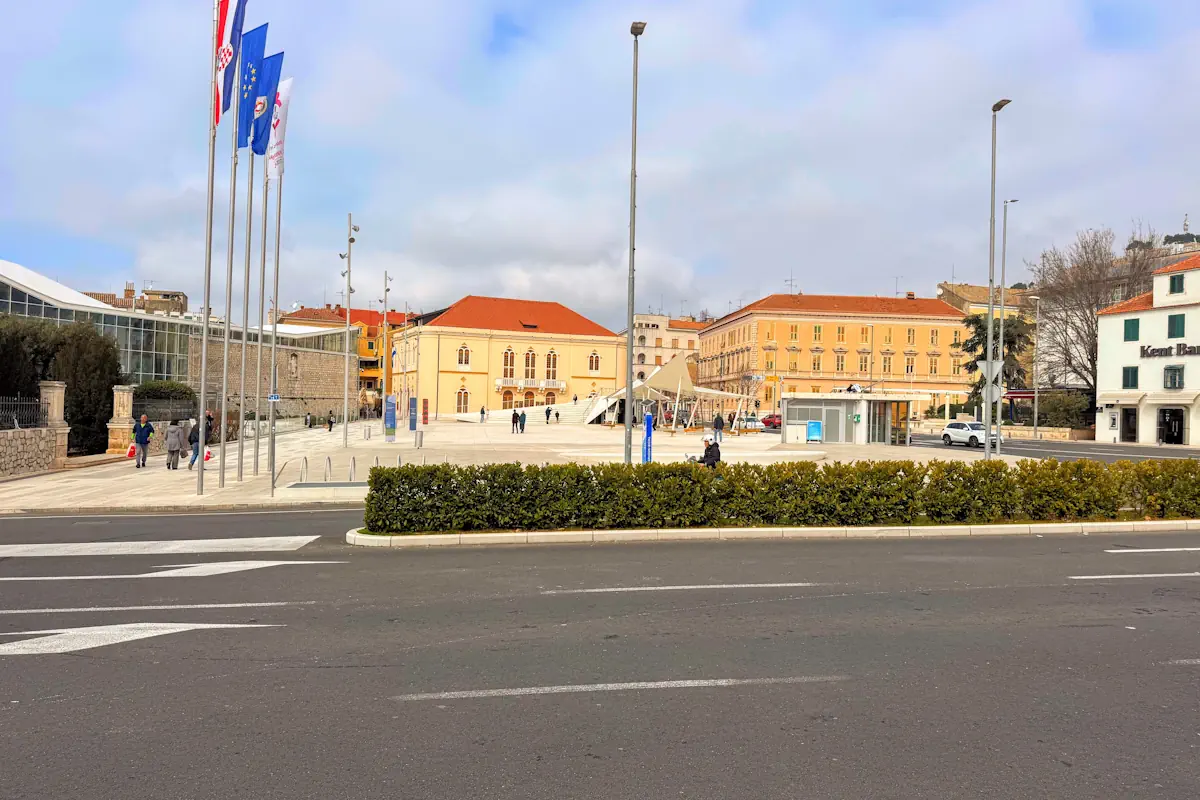

While its neighbors Split and Zadar claim Roman roots, Šibenik stands proud as the oldest native-founded city on the Adriatic. Home to two separate UNESCO World Heritage Sites, this stone-carved labyrinth is a masterclass in Renaissance architecture and naval defense. From the silent stone heads of St. James Cathedral to the sprawling fortress skyline, Šibenik offers a raw, authentic Mediterranean soul that remains remarkably untouched by the frantic pace of modern tourism.
Looking for specific activities?
15 Best Things to Do in Šibenik →Ready to book a trip?
Jump to Planning Cheat Sheet ↓Šibenik Essentials
Euro (€)
2 Heritage Sites
May, June, Sept, Oct
45m from Zadar/Split
Trip Planning Cheat Sheet
Where to Stay
Heritage Hotel Life Palace (Renaissance luxury in the city center) or D-Resort Šibenik (Sleek, modern design at the marina).
View Best Rates →Arrival & Transport
Šibenik is halfway between Zadar (ZAD) and Split (SPU) airports. A private transfer is the fastest way to start your trip.
Book Transfer →Top Experience
Krka National Park – The Skradinski Buk waterfall is just 15 minutes away. Book a boat tour to skip the bus queues.
Book Krka Tour →The Fortress Pass
Buy the Unified Fortress Ticket (approx. €11). It grants access to St. Michael’s, Barone, and St. John’s for a fraction of the cost.
— Local Insider Tip
The Guardians of the City: The Four Fortresses
Šibenik’s skyline is defined by its stone defenders. To truly understand the city, you must climb its heights. Pro Tip: Purchase the “Fortress Pass” at St. Michael’s to access the first three for a single, discounted price.
The Cathedral of St. James: A Stone Masterpiece
Completed in 1536, this is the world’s largest church built entirely of stone—no wood or brick supports. It is a triumph of the transition from Gothic to Renaissance, but its most fascinating secret isn’t its engineering; it’s the people carved into its walls.
The “Iron Bank” Architecture
Designed by **Juraj Dalmatinac**, the cathedral uses a unique interlocking stone slab technique. For modern travelers, the exterior is instantly recognizable as the **Iron Bank of Braavos** from Game of Thrones. However, look past the pop culture, and you’ll find a much more human story on the exterior apse.
Visitor Info:
The cathedral is open daily. Modest dress is required (shoulders and knees covered). Tickets for the interior and the baptistery (a subterranean gem) are approx. €5.
The 74 Stone Heads
Running along the exterior frieze are **74 unique stone faces**. These aren’t saints or kings; they are the ordinary citizens of 15th-century Šibenik.
The “Petty” Legend: Local lore suggests that Dalmatinac modeled these faces after the wealthy citizens who refused to contribute money to the cathedral’s construction. In a stroke of artistic revenge, he carved their likenesses for eternity—showing their various expressions of greed, annoyance, and indifference.
Expert Tip: Look for the ‘Smiling Head’—the only one showing true joy.
St. Anthony’s Channel: The Gateway to the Sea
While most tourists stay trapped in the stone alleys of the Old Town, the locals head to the St. Anthony Channel Promenade. This 4.4km coastal trail offers the most dramatic views of the Šibenik skyline and access to WWII history.
Exploring “Hitler’s Eyes”
Carved directly into the limestone cliffs is a massive sea tunnel built by the German army during WWII to hide torpedo boats and submarines. Known locally as “Hitler’s Eyes” (Hitlerove oči), you can actually walk through the tunnel or kayak into its dark, cool interior. It’s a haunting, photogenic contrast to the Renaissance city across the water.
💡 Tip: The tunnel is approximately 200 meters long. Bring a flashlight if you plan to walk the interior path!
The Best Panoramic Viewpoint
Follow the trail to the end near the St. Nicholas Fortress. Here, you’ll find a wooden boardwalk that takes you across the water. Climb the small hill to the chapel of St. Anthony—the view from here at sunset, looking back at Šibenik’s four fortresses, is arguably the best in Croatia.
Travel Time:
1.5 Hours Walk
Difficulty:
Easy / Family Friendly
Where to Eat: From Michelin Stars to Local Konobas
In Šibenik, food is a religion. Whether you are dining under the shadow of the Cathedral or tucked away in a stone-walled tavern, the focus is always on the “Zero-Mile” philosophy: fresh Adriatic fish, Skradin silk-veal, and the deep red Babić wine.
Konoba Nostalgija
For those seeking the “real” Šibenik, Nostalgija is a family-run gem in the heart of the Old Town. It specializes in traditional dishes like Pašticada (slow-cooked beef in a rich sweet-and-sour sauce) and handmade pasta. It’s soulful, affordable, and incredibly welcoming.
TOP PICK: The Traditional Fish Platter.
Konoba Marenda
A true “local’s only” institution. Marenda is the Dalmatian word for a mid-day snack/lunch. Tucked into a narrow alley, this spot serves only a few daily dishes based on whatever was fresh at the market that morning. No fancy plating—just incredible taste.
TOP PICK: Fried Calamari or Cuttlefish Risotto.
Wine Spotlight: Babić
You cannot leave Šibenik without trying a glass of Babić. This indigenous red grape thrives in the nearby Bucavac vineyards (often called “stone lace”). It’s a bold, dark-fruit wine that pairs perfectly with the local Drniš prosciutto.
