
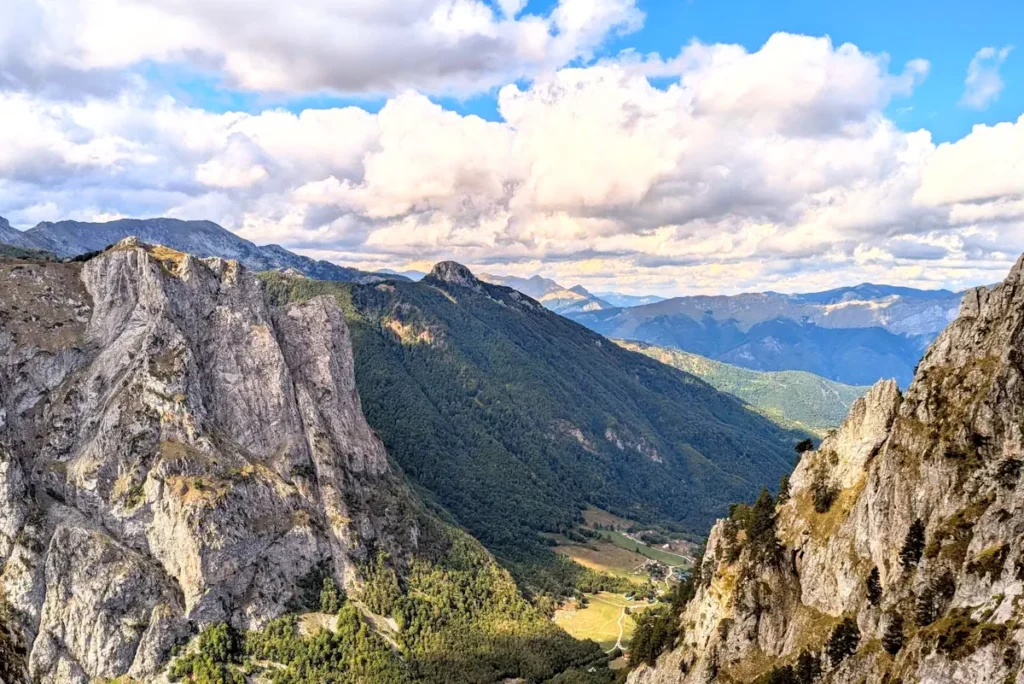
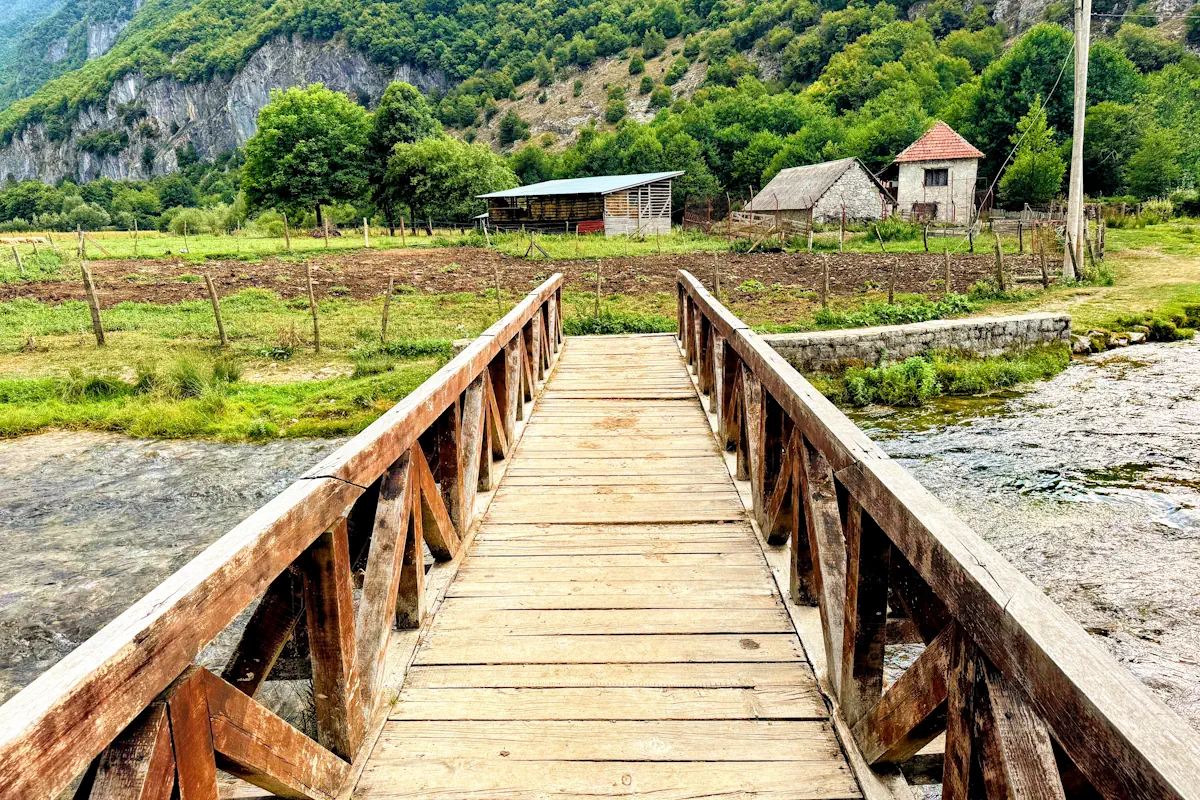
Gusinje is a town where the pace of life is still dictated by the mountains. Tucked into the Plav-Gusinje plain at the base of the Prokletije, this close-knit community serves as a rare pocket of authentic rural Montenegro. It is the kind of destination that invites you to hit the “reset button,” trading the coastal crowds for the cool air of karst springs and the shadows of the “Accursed Mountains.”
While it may not be a traditional tourist hub, its position at the intersection of the Grnčar and Vruja rivers makes it a natural base for exploration. From its Bronze Age roots and Ottoman caravan history to its modern role as a gateway for world-class hiking, Gusinje offers a slow-travel experience that feels both rugged and deeply welcoming. Whether you are here for the Prokletije Triathlon or a quiet coffee in the town square, Gusinje is a worthy next stop for those seeking the road less traveled.
Best For
Hikers, cyclists, and slow-travelers looking for an authentic mountain town away from the coastal heat.
The Vibe
Rural and close-knit; a grounded “basecamp” atmosphere where Ottoman history meets high-alpine adventure.
Transport
A 2-hour drive from Podgorica via the new highway or SH20 road through Albania (no longer a 4-hour trek).
Must-Try
Kačamak: A hearty mountain dish of mashed potatoes, flour, and melted cheese, best enjoyed after a long hike.
Quick Guide
Gusinje Planning Cheat Sheet
Where to Stay
Experience local heritage at Kula Nekovic (a restored stone tower) or stay at Vila Merak in Vusanje for direct access to the Peaks of the Balkans trail.
View Best Rates →Border Logistics
The “Short Route” via Albania requires a Cross Border Fee (usually €30–€50) from your rental agency. Without this authorized paperwork and a physical Green Card, you will be turned back at the Grabom crossing.
Search No-Deposit Rentals →The “Must-See” Water
Oko Skakavice (Grasshopper’s Eye) is most vibrant in the morning light. The 4°C water is the town’s drinking source, so please avoid swimming to protect its purity.
Park Permit Info →Connectivity & Cash
Gusinje is a cash-heavy town. While there are limited ATMs, most guesthouses and local taverns do not accept cards. Withdrawal in Podgorica or Berane is highly recommended.
“If you visit in July or August, keep an eye out for the Gusinje Fest. It is the only time the town truly “hustles” as the global diaspora returns home.”
— Resident Tip
The Gusinje Timeline
Middle Bronze Age
The Ancient Markers
Stone slabs with petroglyphs and a rare sundial at the foot of Mount Volušnica prove the valley was a sacred prehistoric site.
17th to 18th Century
The Caravan Era
Part of the Sanjak of Prizren, Gusinje becomes a hub on the Dubrovnik to Peć caravan route. The Cekaj Mosque (1687) is built.
Late 19th Century
The Governor’s Rule
Ali Pasha of Gusinje defends the region at the Battle of Novšiće, leaving a lasting mark on the town’s geography.
1918 to 20th Century
Yugoslav Period
Incorporated into the Kingdom of Yugoslavia. During this period, the town’s two churches are built, reflecting its multicultural population.
August 2nd
Festival of the Diaspora
Thousands of emigres return to the Ali Pasha Springs, reconnecting with their roots in an annual celebration of heritage.
Local Experiences
Town Charm & Alpine Adventure
Gusinje is a basecamp in the truest sense. While the town center offers a quiet, multicultural atmosphere perfect for unwinding, the surrounding slopes of the Prokletije National Park provide a playground for those looking to test their limits on the trails or in the air.
Town Life
Culture & Community
The heart of Gusinje is the Ali Pasha Square. It is a place where you can sit near the Vizier’s Mosque and watch the world go by.
- Sweet Tooth: Visit the popular pastry shop ‘Šar’ for traditional treats.
- Gusinje Fest: A 4-week summer festival in July and August featuring concerts and the Prokletije Triathlon.
- Multicultural Spirit: Walk the Omladinska street housing a Mosque, a Catholic Church, and an Orthodox Church side by side.
High Energy
Trails & Currents
The Ljuca River and the vertical limestone walls of the Accursed Mountains define the outdoor experience here.
- Cycling: Ride the Grnčar circular trail for views of Mount Visitor and the Prokletije peaks.
- Fishing: The crystal-clear Ljuca River is home to Danube Salmon and Arctic Grayling.
- Paragliding: Take flight with the Montenegrin Paragliding Association from Mount Popadija or Kofiljača.
Ancient Exploration: The Petroglyphs
One of the most significant historical attractions is the Vezirova Brada archaeological site. A moderately challenging two-hour walk from the center of town leads you to Bronze Age stone carvings. For those willing to venture further, additional carvings and a primitive sundial await exploration around the Popadija Ridge.
Did You Know? The Journey of the Ljuca
The pristine waters bubbling up at Ali Pasha Springs and Oko Skakavice eventually merge to form the Ljuca River. This crystal-clear mountain stream meanders across the plain, transporting snowmelt directly into Lake Plav. This unique cold-water corridor is one of the rare habitats for the Danube Salmon (Hucho hucho), a legendary species for fly fishers worldwide.
Hydrological Wonders
The Karst Springs of Gusinje
Gusinje is defined by its water. The limestone massif of the Accursed Mountains acts as a giant sponge, filtering snowmelt into some of the most powerful wellsprings in the Balkans.
The 25 wellsprings of Ali Pasha at the foot of the Accursed Mountains.
The Social Heart
Ali Pasha Springs
Located just 1.5 km from town, these are the largest karst springs in Montenegro. Pumping out up to nine cubic meters of water per second, the site is an unpolished natural wonder where 25 separate wellsprings bubble up through the earth near an abandoned water mill.
“Legend speaks of buried gold under a lost walnut tree, but the real treasure is the August 2nd festival, when the global diaspora returns to these banks.”
Vibe
Raw, unmanicured, and deeply communal.
Tradition
Tying the knot here is said to bring lifelong luck.
Heritage
A key stop for Ottoman caravans heading to the coast.
The Hidden Gem

Oko Skakavice: The Eye of the Sky
Tucked deep within the Ropojana Valley along the Peaks of the Balkans Trail, this natural karst lake is famous for its striking blue hues and 8-meter deep “pupil.” The water here is a constant 4°C: exactly the temperature of the Arctic Ocean.
Perfect Clarity
The water is so pristine that every stone on the bottom is visible, even at the deepest point.
Seasonal Power
While it bubbles timidly in summer, it roars during the spring snowmelt, feeding the Skakavice River.
!
2026 Sustainability Note
The springs are not part of the National Park and lack formal waste management. As this is the town’s primary freshwater source, please carry out all plastic and waste. Help us protect this high-altitude ecosystem.
Nature’s Architecture
The Grlja Waterfall & Canyon
The Skakavice River doesn’t stay calm for long. Just a short distance downstream from the “Eye,” the water enters the Grlja Canyon. This is one of the most dramatic geological features in the Prokletije range, where the river plunges 15 meters into a limestone chasm.
- The Disappearing Act: The canyon is so narrow that the river appears to be “swallowed” by the earth, vanishing into subterranean depths.
- Seasonal Power: Thundering and mist-heavy in spring; a sculpted limestone gallery in late summer.
- Viewing Point: A small bridge nearby offers a dizzying perspective directly into the mouth of the falls.

The Great Outdoors
Grebaje & Ropojana: The Twin Valleys
While Gusinje is the heart of the region, its pulse is found in the two glacial valleys that branch out from the town. Each offers a completely different perspective of the Accursed Mountains.
Grebaje Valley
A cathedral of verticality, Grebaje is overlooked by the Karanfili peaks, including Sjeverni Vrh (2,460m) and Veliki Vrh (2,490m). It is a sanctuary for golden eagles and peregrine falcons.
- Volušnica Trail: A world-class hike for panoramic views of the massif.
- Technical Ascents: Challenging routes to Očnjak and the iconic Kissing Cats (Šuplja Vrata).
- Vibe: Dramatic limestone walls and high-alpine eco-villages.

Ropojana Valley
Stretching toward Albania, Ropojana is the gateway to the highest summits in the Accursed Mountains. It connects Montenegro’s alpine meadows with the dramatic Theth region.
- The High Summits: Access Zla Kolata (2,534m – Montenegro’s highest) and Rosni Peak (2,524m) from Vusanje.
- International Trails: Gateway to the Great Valley of Lakes (Buni Jezerces) and the technical Maja Jezerce (2,694m).
- The Circuit: A key segment of the 192-km Peaks of the Balkans trail.
The Smart Shortcut
Prokletije Jeep & Hiking Safari
Want to experience the raw grandeur of the twin valleys without losing full days to tedious, low-altitude access roads or getting bogged down in border crossing bureaucracy? This 4×4 off-road expedition maximizes your high-alpine exposure.
- Skip the Grind: Comfortable 4×4 transport cuts out hours of tiring forest walks to drop you directly at the most spectacular ridges.
- Unrivaled Efficiency: Ideal for cross-border panoramic views, hidden glacial lakes, and sweeping vistas of Montenegro and Albania in a single 6-hour loop.
- Local Access: Private small-group format led by native guides, tracking deep into wild landscapes with optional stops at traditional shepherd katuns.
6-Hour Mountain Expedition
Includes 4×4 vehicle access, local tracking guide, national park trail entry points, and flexible hotel pickup options across Gusinje or Plav.
Flavors of the Prokletije
Dining in the Valley
The cuisine in Gusinje is a reflection of its geography: hearty, warming, and deeply traditional. It is a place where Ottoman influence meets high-mountain dairy culture, producing some of the most soulful food in Montenegro.
Town Center Favorites
The main square is the best place to experience the town’s social rhythm. Most eateries here focus on regional meat classics and international comfort food.
Pizzeria Torino
A no-frills local favorite known for serving the best pizza and pasta in the area.
Ali Pasini Izvori
The quintessential “local haunt” for grilled classics. Stop here for authentic ćevapi and stone-oven pizzas while enjoying the outdoor seating and lively town atmosphere.
Restaurant Napolis
One of the most authentic venues in town, focusing on slow-cooked roasted meats and traditional Montenegrin staples.
Scenic & Spring Dining
Restaurant Krojet
Perched directly over the Ali Pasha Springs. Their specialty is baked lake trout in cheese and local sheep’s cheese.
Royal Etno Selo
Set in the heart of the Grebaje Valley, this traditional restaurant offers a stunning mountain backdrop for enjoying slow-cooked regional dishes.
Basecamps & Stone Towers
Staying in Gusinje
Vila Merak
Located in the quiet hamlet of Dosuđe, this highly-rated property is an exceptional basecamp for refuelling after tackling the rugged mountain trails.
Highlight: Clean and well-equipped apartments with hot tubs. Check AvailabilityKula Neković
Sleep in a piece of living history. This authentic, 300-year-old Ottoman stone tower has been carefully restored into a family-run bed and breakfast right in the heart of town.
Highlight: Host Edi and his family’s authentic hospitality. See Kula Room RatesEthno House Bektešević
Famous for the hospitality of host Shafika, these cozy wooden holiday cabins offer a peaceful garden setting and legendary homemade breakfasts.
Highlight: Stunning mountain views, kid and pet-friendly lawns. Check Eco-Bungalow Rates
Town Center Option
Hotel Rosi
If you prefer to stay in the heart of the action, Hotel Rosi is the standard-bearer for convenience with easy access to the main square.
Check Availability
Planning Your Visit
Essential Logistics
The 2026 Journey
The most reliable way to reach Gusinje from the capital is via the Podgorica–Kolašin–Andrijevica route, utilizing the new highway for a smoother drive.
- The Alternative: The SH20 through Albania (Cijevna – Grabom crossing) is technically shorter on paper and offers spectacular alpine views, but involves two border crossings.
- Public Transport: Regular buses run from Podgorica to Plav; from there, local transfers to Gusinje are frequent and inexpensive.
Park Access & Navigation
Gusinje is your base for Prokletije National Park. Accessing the Grebaje or Ropojana valleys requires a valid entry permit.
- Daily Fee: 3 EUR per person.
- Best Value: If you plan to stay more than 4 days or visit other parks, buy the 13.50 EUR Annual National Park pass.
- Navigation: Detailed topographical maps are available at the Gusinje Tourist Info Center or the National Park Visitor Center.
Resident Pro-Tip
“Always ensure you are registered. In this sensitive border zone, the ‘White Card’ is your most important document.”
Hotels usually handle this, but if you are in a private rental or camping, you must visit the local Tourist Office to pay the daily Tourist Tax (approx. 1 EUR). Failure to register can lead to complications when crossing into Albania or Kosovo.
Gusinje Guide ×
