
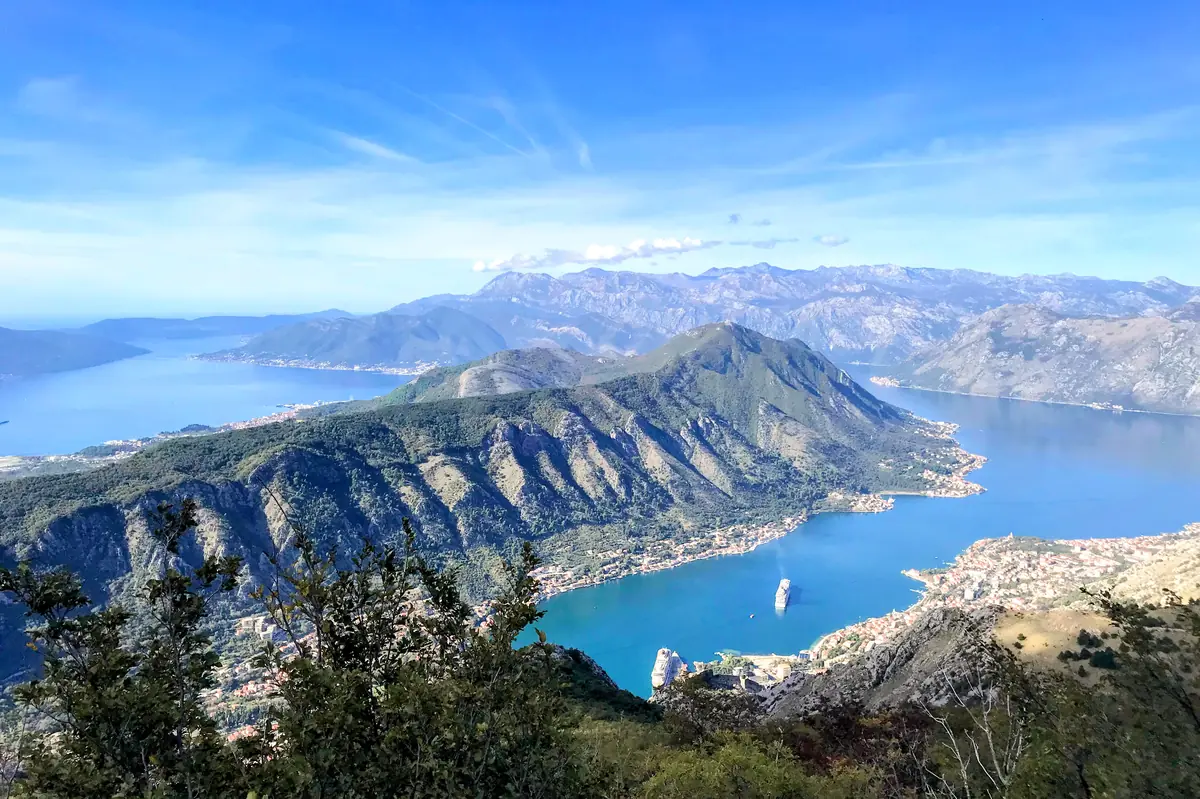
The 2026 Verdict
Yes, Montenegro is exceptionally safe for international travelers. Currently ranked #30 on the Global Peace Index, the country maintains a higher safety rating than the United States, France, and the United Kingdom. Violent crime is statistically rare, and there are no restricted zones or high-risk areas within the national borders.
Global Rank
#30
Peace Index
Solo Female
Low Risk
High Trust
Crime Rate
Rare
Violent Acts
Emergency
112
Reliable
Global Safety Benchmarks
How Montenegro compares to major Western nations in the 2026 Global Peace Index (Lower rank = Safer).
| Country | World Rank | Safety Tier |
|---|---|---|
| Montenegro | #30 | High |
| United Kingdom | #39 | Medium |
| France | #77 | Medium |
| United States | #134 | Low |
Data Source: Institute for Economics & Peace (IEP) 2026 Report.
Social Trust and Stability
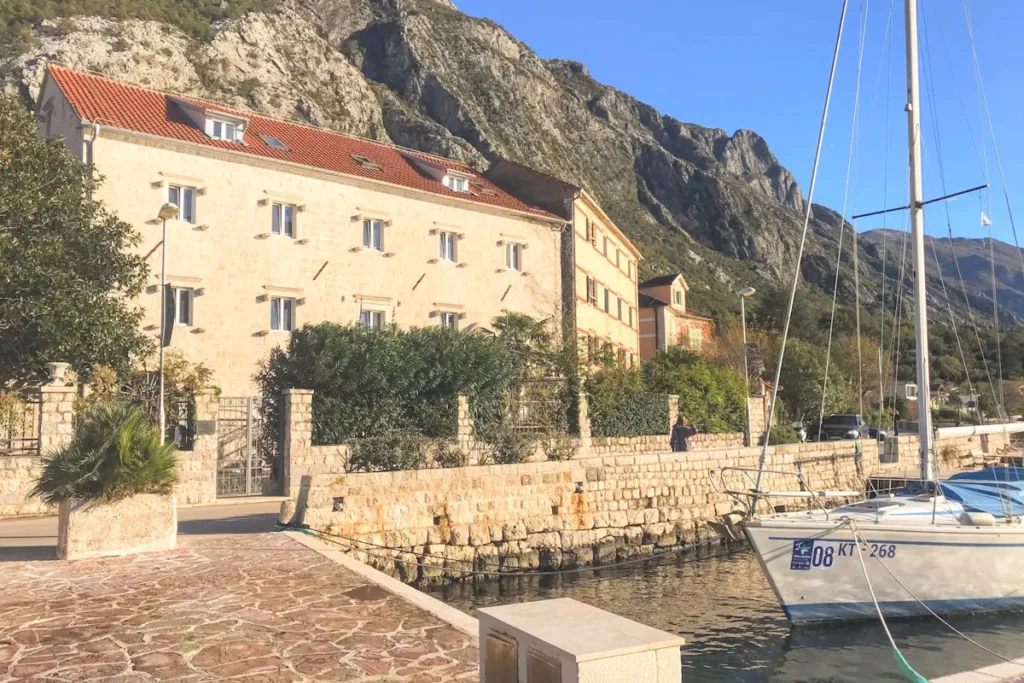
Whether you are navigating the sun-drenched alleys of the Kotor Old Town or exploring the wild northern peaks of Durmitor, you will find a landscape where no-go zones simply do not exist. While Montenegro experienced a turbulent chapter in the 1990s following the collapse of Yugoslavia, those days are long gone.
“There is a palpable sense of social trust here. It is a place where village traditions and modern security coexist, making travel feel like an open invitation rather than a checklist of precautions.”
Terrain and Infrastructure
Heavy rains can turn mountainous roads into slippery glass, and rockfalls are frequent in deeper canyons. Furthermore, the rail infrastructure is idiosyncratic. If a level crossing flashes red but others are crossing, it suggests a malfunction. Approach slowly, verify both directions, and proceed only when clear.
Read Our Montenegro Driving Guide →2026 Traffic Compliance Overview
| Requirement | Standard and Seasonal Dates |
|---|---|
| Alcohol Limit | Strict 0.03% (0.3 promille); 0.0% for novice drivers. |
| Daytime Lights | Mandatory 24 hours a day, regardless of weather. |
| Safety Equipment | High-viz vest, first aid kit, and spare bulbs required. |
| Winter Tires | Obligatory from 15 November to 1 April. |
| Mountain Driving | Snow chains mandatory on designated high-altitude routes. |
| Seatbelts | Compulsory for all passengers, including rear seats. |
Transit Integrity
Identifying Licensed Vehicles
While violent crime is rare, the taxi industry remains the primary arena for opportunistic overcharging. Deceitful drivers – often operating without a license – congregate at airports and cruise ship terminals, banking on a visitor’s lack of local context.
Visual Reference: A regulated Montenegrin taxi showing the mandatory TX license plate sequence.
The TX Designation
An official license plate is your first line of defense. In Montenegro, a legal taxi must be formatted as: City Code (e.g., PG) + TX + Numbers. If the plate does not contain the TX designation, the vehicle is a freelance operator and lacks municipal regulation.
Note: At Podgorica Airport, plates now bear the ZT (Zeta) prefix rather than PG.
2026 Fare Reality
The golden rule: Ensure the taximeter is engaged the moment you depart. For cruise passengers in Kotor, be wary of astronomical quotes. Local trips should fall within the €15 to €30 range. If a driver quotes €100+ for a short coastal transfer, they are likely targeting visitors without local context.
How to Hail a Safe Ride →Beware the Spider (Pauk)
In the narrow coastal veins of Boka Bay and Budva, parking is a strategic challenge. Montenegro municipal services operate with predatory efficiency. The Spider (tow truck) is notoriously vigilant in tourist zones like Petrovac and Kotor.
Recovery Fee: €120 to €150
Pro Tip: Due to the steep terrain, always engage your handbrake and turn your wheels toward the curb. In Montenegro, gravity is as much a factor as the police.
Legal Compliance
The 24-Hour Rule
Every visitor must be registered with the local Tourist Info kiosk within 24 hours of crossing the border. While hotels handle this automatically, guests in private rentals or Airbnbs must ensure their host provides the Potvrda (registration receipt).
The White/Pink Slip: This receipt is your proof of legal stay. Keep a physical or digital copy in your passport at all times. Failure to produce this at the border during exit can result in significant fines or delays.
Seasonal Hazards
Wildfire Vigilance
July typically marks the commencement of the wildfire season. By peak summer, the landscape is bone-dry, making the coastal regions and the corridors stretching from Podgorica toward the Bosnian border highly susceptible to fast-moving fires. Beyond the flames, the secondary challenge is air quality, as smoke can travel great distances on the Adriatic winds.
2026 Recommended Monitoring:
Monitor real-time air quality via the IQAir app or the Hydrometeorological Service of Montenegro during the August heat.
Earthquake Awareness
Montenegro sits in a tectonically active zone. While modern building codes are strictly designed for seismic resilience, a unique risk remains within the private sector. Older accommodations built during the unregulated boom of the 1990s may not meet current 2026 safety standards.
SAFETY PROTOCOL (DIAL 112):
- Drop, Cover, and Hold on during tremors.
- Prioritize professionally managed or newly renovated buildings.
- Avoid light matches or candles if you smell gas post-event.
Adriatic Protocols
Marine Wind Dynamics
Swimming is safe under normal conditions, but two specific wind patterns dictate the safety of the coast. The Jugo (Scirocco) brings large swells and dangerous rip currents; look for the Red Flag on beaches, which indicates a total prohibition of swimming.
Maritime Alert (Dial 129):
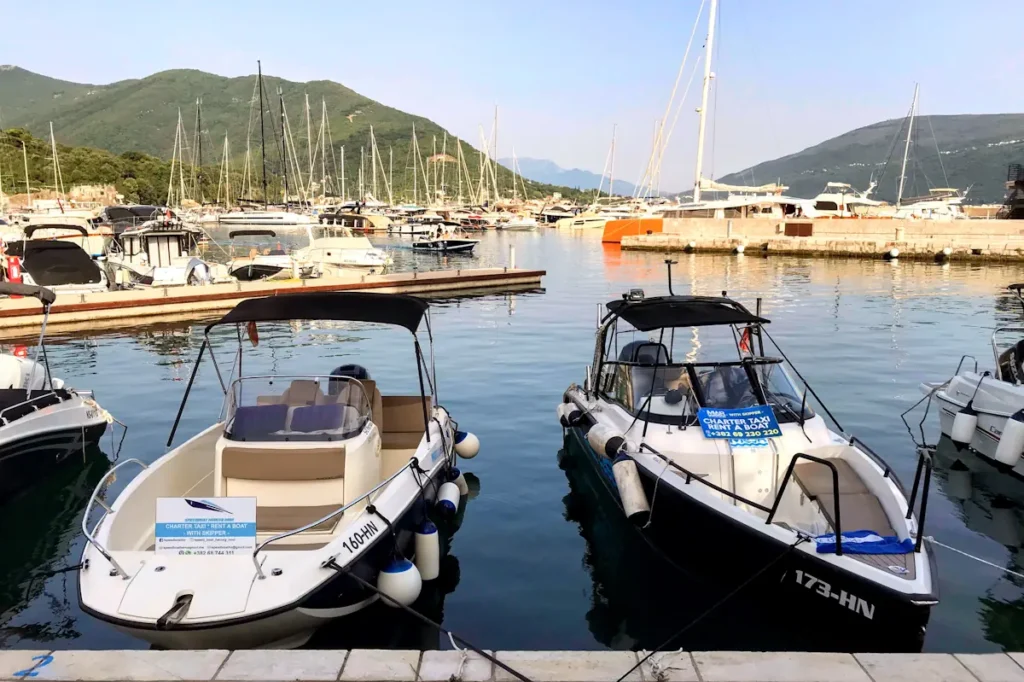
The Bora Wind can reach speeds of 150 km/h. This northern wind is the primary threat to sailors and boaters, as it can drag small vessels into the open sea.
Visual: Dangerous Jugo swells at Petrovac.
The Mountain Framework
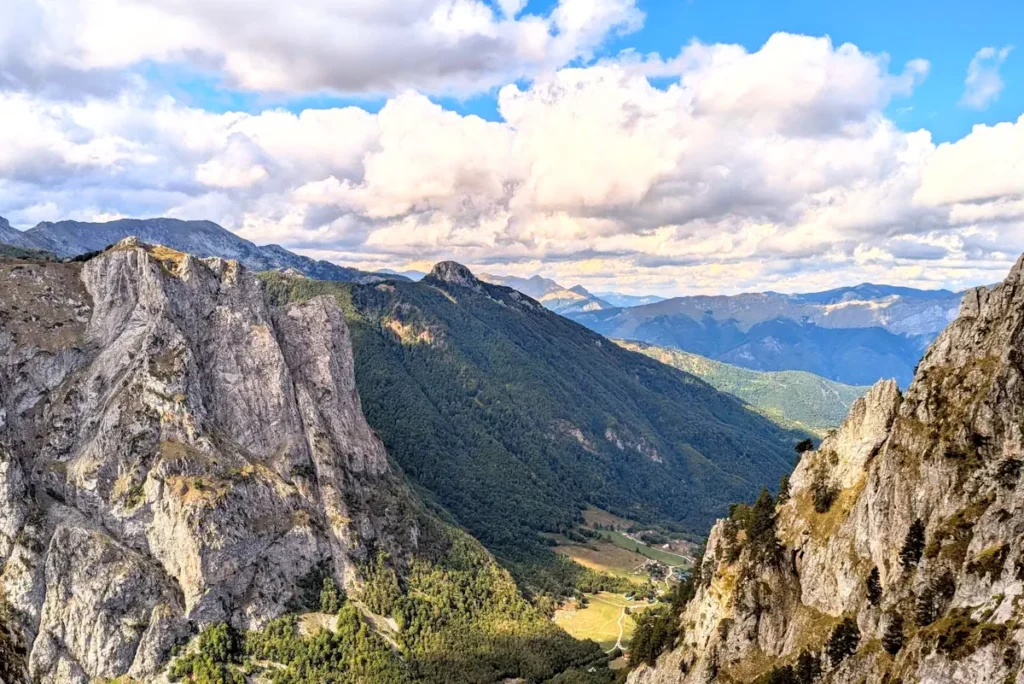
Getting Lost in the Wild: Year in and year out, adventurers in Montenegro run into hazardous situations. Some get lost in the vast landscapes of the Durmitor and Prokletije ranges.
Untamed Beauty: Montenegro’s peaks are stunning but can be treacherous. What looks easy on paper is often challenging in reality. Always stick to the Red-White markers.
- Emergency Protocol: Dial 112
- Follow the Red Circle/White Fill blazes
- Carry 2L of water per person
- Avoid solo hiking in remote sectors
Travel Resources & Emergency Contacts
Before arriving, ensure your passport is valid and you have comprehensive travel insurance. If you are a victim of an unlawful act, report it to the nearest police station immediately.
General Emergency: 112
Police: 122
Fire Dept: 123
Ambulance: 124
The Reality Check: 2026 Challenges
While Montenegro is remarkably safe, no destination is perfect. To ensure a stress-free trip, be aware of these local realities:
- Infrastructure: Public transport is limited; cars are better, though roads clog in summer and the driving culture is aggressive.
- Service Standards: Labor shortages mean service in hotels/restaurants can be subpar. Expect the local “slow” (polako) mentality.
- Environment: Expect overcrowded beaches in August and occasional issues with plastic waste or stray animals.
- Healthcare & Smoking: Hospitals are not at Western European levels. Expect heavy smoking in many outdoor social areas.
Safety: Common Concerns
Direct answers to specific traveler queries for the 2026 season.
Is Montenegro safe for solo female travelers?
Montenegro is currently ranked as one of the safest destinations in Europe for solo women. Violent incidents are statistically rare, and the social culture allows women to navigate urban and coastal areas safely at night. While unwanted attention may occur in high-traffic nightlife zones, standard travel precautions are sufficient. Hitchhiking is generally discouraged; utilizing licensed taxis or the established bus network is the professional standard for solo transit.
Is it safe for Americans to travel to Montenegro?
As of March 2026, the U.S. Department of State classifies Montenegro as Level 1 (Exercise Normal Precautions). The country is statistically safer than many major U.S. metropolitan areas. While there is no significant anti-Western sentiment, travelers should remain aware of their surroundings in the capital, Podgorica, where localized political demonstrations occasionally occur. These are typically peaceful but can cause temporary traffic disruptions near government buildings.
Is Montenegro safe for Black tourists?
Montenegro is a safe and welcoming destination for travelers of all backgrounds. There is no significant history of racial discrimination. In coastal hubs like Budva and Porto Montenegro, locals are accustomed to international diversity. In more remote, rural northern regions, a Black traveler may encounter curiosity or prolonged stares simply because international tourism is less frequent in those areas, but this is almost exclusively a matter of novelty rather than hostility.

Cultural Intelligence
Market Ethics and Service Standards
Local Markets: Avoiding the ‘Tourist Markup’
Farmer’s markets are a quintessential Montenegrin experience, but price tags are rarely displayed. Costs for seasonal goods can vary based on the seller’s intuition. Always inquire about the price per kilogram upfront to ensure you are paying the standard rate rather than a tourist premium.
Dishonest service is the exception, not the rule. Most establishments value long-term reputation over short-term seasonal gain.
The Summer Service Gap
The influx of seasonal staff in coastal hotspots can lead to friction. In high-traffic zones, some staff may attempt to pressure visitors for excessive tips. A 10% gratuity remains the standard courtesy for good service; do not succumb to verbal demands for more.
- Standard Tip: 10% (Cash preferred)
- Cover Charge (Kuver): Usually €2.00
- Card Payments: Tip in cash to ensure the server receives it
Read our 2026 Tipping Guide →