
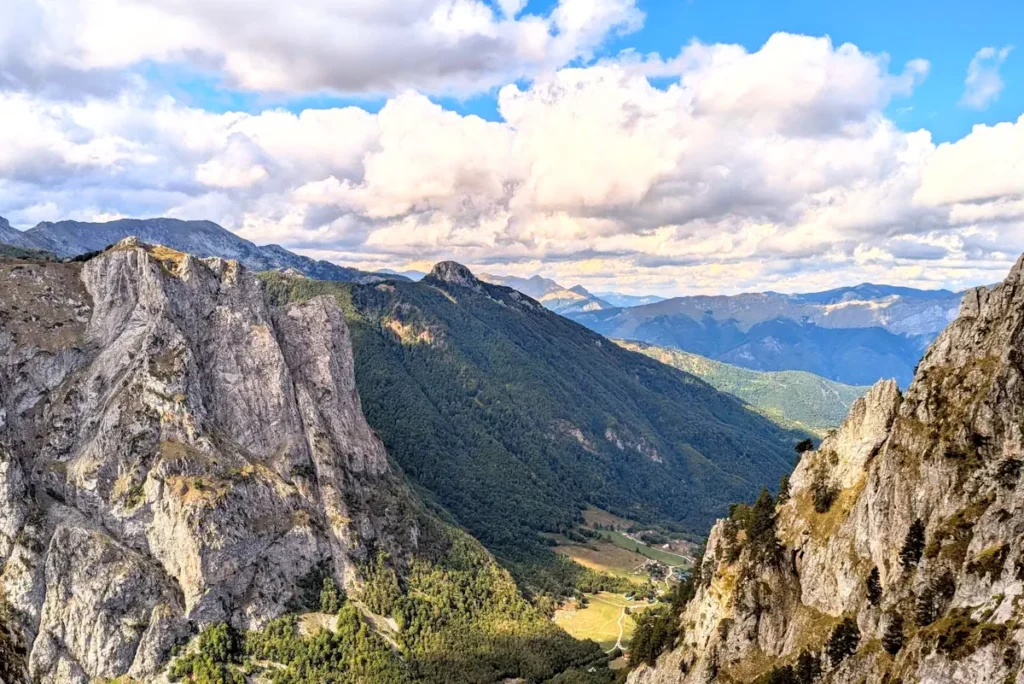
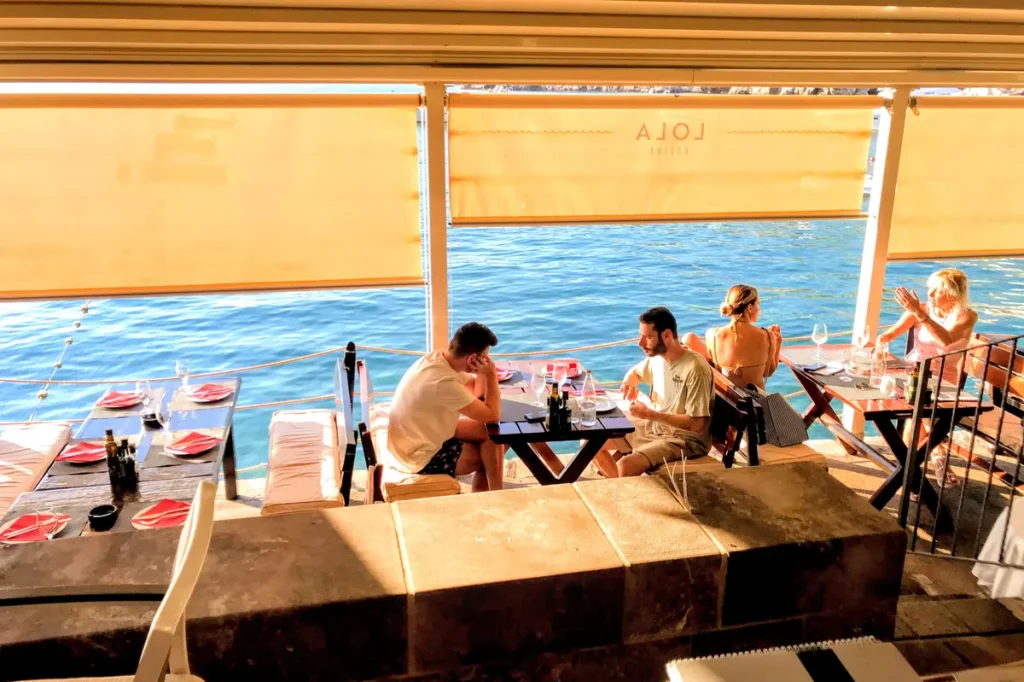
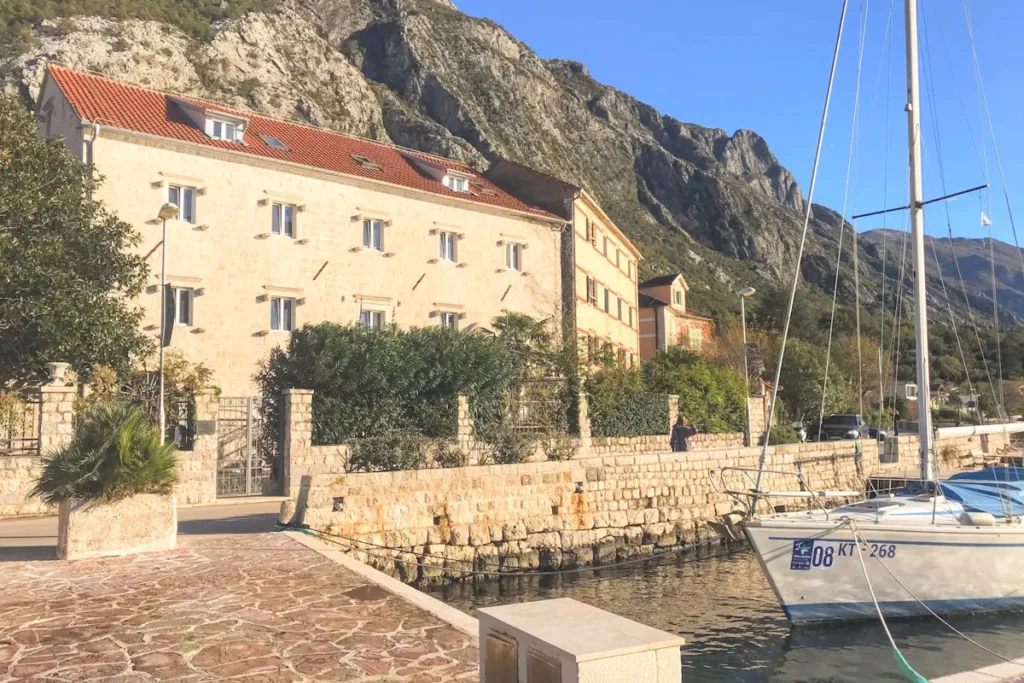
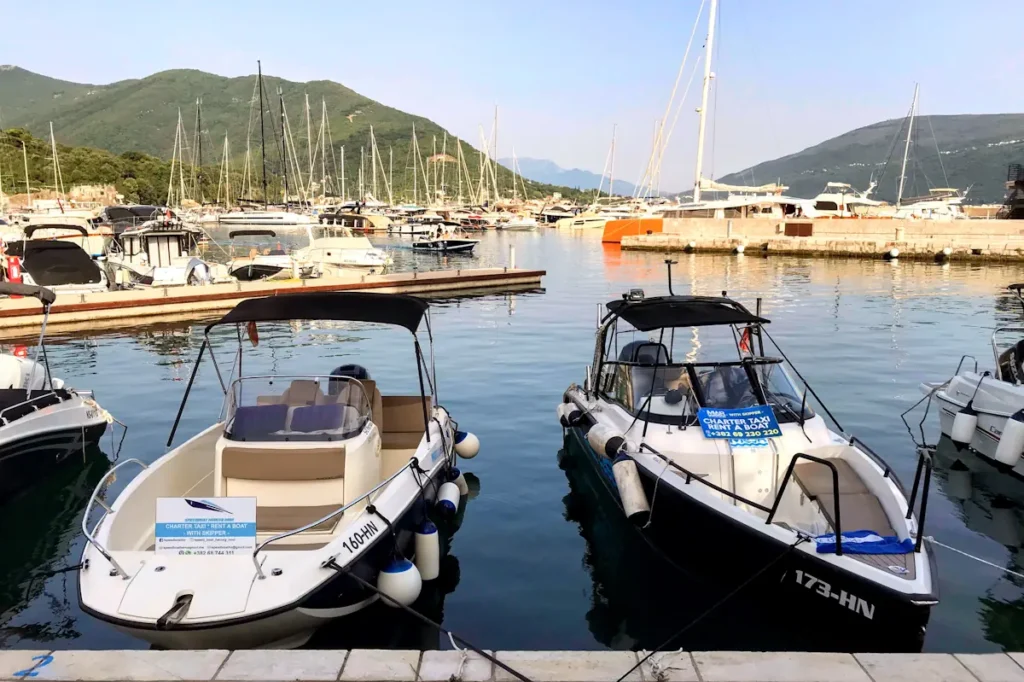
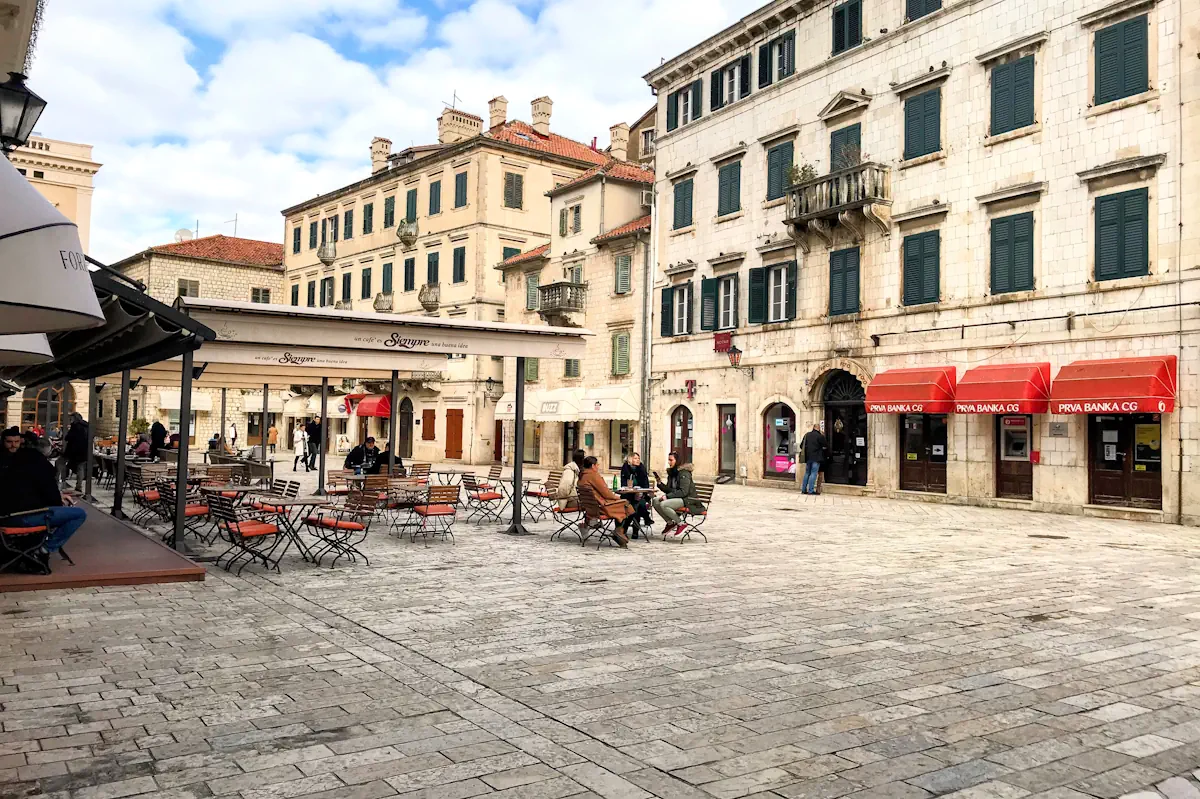
Listed by Forbes as a top jet-set destination and one of Montenegro’s UNESCO Sites, Kotor is more than just a cruise stop; it’s a living, breathing Romanesque and Baroque time capsule. While the ‘Pearl of the Adriatic’ attracts visitors from across the globe, the magic lies in knowing when to climb the fortress and where to find a quiet espresso in the maze of antique palazzi.
Looking for specific activities?
19 Best Things to Do in Kotor →Ready to book a trip?
Jump to Planning Cheat Sheet ↓Kotor Essentials
Currency
Euro (€)
Old Town Pop.
961 (Residents)
Best Timing
May, June, Sept, Oct
Connectivity
15m from Tivat Airport
In This Guide
Quick Guide
Trip Planning Cheat Sheet
Where to Stay
Boutique Hotel Astoria (Luxury in the Old Town) or Palazzo Sbutega (A chic, peaceful retreat in Dobrota).
View Best Rates →Arrival & Transport
Pre-book a Private Tivat Airport Transfer (approx. €30) to avoid notoriously high airport taxi rates.
Book Transfer →Top Experience
Blue Cave & Our Lady of the Rocks – The 3-hour speedboat tour is the definitive way to see the bay.
Book Boat Tour →The Climb
San Giovanni Fortress entrance is €15. Start before 8:00 AM to beat both the heat and the ticket booth.
“Check the port schedule before your visit. If a 4,000-passenger ship is docked, save the Old Town for after 4:30 PM.”
— Local Insider Tip
The Honest Truth: Avoiding the Tourist Traps
Kotor is a UNESCO treasure, but its popularity has created a few pitfalls for the unwary traveler. Here is how to navigate the town like a local.
The authentic Venetian stone-work of the Stari Grad.
1. The “Airport” Taxis
Taking a taxi directly from the Tivat Airport stand without pre-booking can cost €50–€70 for a 10-minute drive.
The Fix: Use the MonteGo app or pre-book a transfer for €25–€30.
2. The “Old Town” Menu
Avoid restaurants with “Photo Menus” or staff standing outside. These are often overpriced and serve generic frozen seafood.
The Fix: Walk 10 minutes toward Dobrota for better quality and authentic Boka flavors.
3. The €7 Orange Juice
On the main squares, a small glass of “fresh” OJ can cost as much as a full meal elsewhere.
The Fix: Always check the physical price list before ordering your morning drink in the main piazza.
The “Ottoman” Souvenir Myth
As you wander, you will see dozens of stores selling mosaic lamps, “Turkish” rugs, and copper coffee sets. While beautiful, these have zero historical connection to Kotor.
The city was famously a Venetian stronghold that successfully resisted Ottoman rule for centuries. Buying these lamps is buying a souvenir of a history that never happened here.
Cruise ship crowds can overwhelm the narrow alleys between 11:00 AM and 3:00 PM.
Getting to Kotor: The Logistics Hub
From Dubrovnik (DBV)
The most popular entry point. While only 90km away, the Debeli Brijeg border crossing can be unpredictable.
- Insider Tip: If driving, ask your driver to use the Vitaljina / Kobila crossing. It is a smaller, local border that is often significantly faster than the main gate during peak season.
- Bus: 2.5–4 hours (seasonal). Use Božur or Globtour.
- Private Transfer: The most reliable way to navigate borders. Book a Transfer from Dubrovnik →
- Warning: Avoid July/August day-trips from Dubrovnik; border queues can exceed 4 hours.
From Podgorica (TGD)
The capital’s airport is roughly 1.5–2 hours from Kotor. There are no trains connecting the coast to the capital.
- Bus: Frequent departures from the main station (Glavna Autobuska).
- Private Transfer: Book a Transfer from Podgorica →
- Scenic Route: Request the drive via Cetinje for incredible mountain views.
Pro Tip: Once in Kotor, the town is 100% pedestrian. If you have heavy luggage, ensure your hotel offers a golf-cart transfer from the Sea Gate or North Gate, as cars cannot enter the walls.
Where to Base Yourself
Kotor is not just a single town, but a string of ancient settlements hugging the bay. Choosing the right neighborhood changes your entire experience.
Our Recommendation: Choose the Old Town for a 2-night stay to soak in the history, but opt for Dobrota if you are staying a week and want daily sea access.
Kotor’s History in 60 Seconds
168 BC
Roman Foundations
Founded as Acruvium on the site of an earlier Illyrian settlement, establishing the Bay as a strategic Roman outpost.
1166
St. Tryphon Cathedral
Consecration of the cathedral, marking Kotor’s rise as a major religious and cultural center of the Adriatic.
1420
The Venetian Era
A four-century “Golden Age” under the Venetian Republic, where the city’s iconic Baroque palaces and defensive walls were perfected.
1918
Renaming the City
Following the fall of the Austro-Hungarian Empire, the city officially adopted the name Kotor, moving away from its Italian name, Cattaro.
1979
UNESCO Designation
A catastrophic earthquake strikes; the subsequent international reconstruction effort leads to Kotor’s status as a UNESCO World Heritage site.
The Venetian Secret
Look for the Winged Lion of St. Mark carved above the city gates. If the lion holds an open book, the city was at peace during construction; a closed book signifies a time of war.
The Old Town Labyrinth
Kotor’s Stari Grad is a triangular maze of narrow streets and marble-paved squares designed to confuse invaders – and it still works on tourists today. With a population of just 961 residents inside the walls, the town feels like an intimate open-air museum.
Entering the Gates
Most visitors begin at the Sea Gate (1555), the main entrance to the Old Town. While originally adorned with the Venetian Lion of St. Mark, the space above the arch now features the coat of arms of Socialist Yugoslavia and the date of Kotor’s liberation from the Nazis (November 21, 1944).
Carved into the stone is a famous quote from Josip Broz Tito: ‘Tuđe nećemo, svoje ne damo’ (‘What belongs to others we don’t want, what is ours we will never surrender’). To see the original Venetian Lion, look to the stone wall just to the right of the gate, where a relief of the winged creature still remains.
Alternatively, the southern Gurdić Gate features a traditional wooden drawbridge, while the North (River) Gate offers a quieter entry point near the Skurda River.
The 17th-century Clock Tower presiding over the Square of Arms.
The Square of Arms & The Pillar of Shame
Upon entering through the Sea Gate, you’ll emerge into the Square of Arms, the town’s largest piazza. Dominated by the 17th-century Clock Tower and the Rector’s Palace, this is the social heart of Kotor. Look closely at the base of the Clock Tower for the Pillar of Shame, a small stone pyramid used in medieval times to publicly humiliate local criminals.
The Religious Core: St. Tryphon Cathedral
As you meander deeper, the streets open up to the Cathedral of St. Tryphon (1166). This Romanesque masterpiece is one of the most significant buildings in the Adriatic, recognizable by its two Baroque bell towers (one of which remains famously unfinished). For a small entrance fee, you can explore the interior to see 14th-century frescoes and a reliquary housing the remains of the city’s patron saint.
Deep Dive into the Stari Grad
While this guide covers the essentials, the Old Town holds centuries of hidden stories within its palaces and piazzas. If you want to know which Romanesque frescoes to look for or the history of each noble family’s palazzo:
Read our Kotor Walking Guide →The Vibe: Cats and Narrow Alleys
Kotor is famously obsessed with its feline residents. You’ll find cats lounging on ancient stone steps, being fed by locals, and even featured in their own dedicated Cat Museum. While wandering, try to find “Pusti me proći” (Let Me Pass Street), reputedly the narrowest street in the world, where two people can barely walk side-by-side.
The polished marble alleys of the Old Town, designed to be a labyrinth.
Pro Tip: To truly experience the magic of the Old Town, visit before 10:00 AM or after 6:00 PM to avoid the midday cruise ship crowds.
The Climb to San Giovanni Fortress
No visit to Kotor is complete without conquering the UNESCO-listed mountain ramparts. To reach the summit of the San Giovanni Fortress (280m), you must now utilize the official stone staircases. While the historic Ladder of Kotor remains the premier choice for serious hikers, all access to the fortress interior is now strictly regulated via official checkpoints.
The rewarding “postcard” view from the official hiking trail.
Planning Your Hike?
As of 2026, the “free” bypass routes have been closed to preserve the ancient masonry. For a complete breakdown of ticket checkpoints, water stops, and the best photography spots, read our Full Fortress Guide.
Book City Walls Entry Ticket →- Entry Fee: €15 (Strictly Enforced)
- Steps: 1,350 to the flag
- Best Time: Before 8:00 AM (Essential for heat)
- Pro Alternative: The Ladder of Kotor for higher views.
Essential Climbing Tips
No Free Entry
The “window” at the Church of St. George is now barred. All visitors must pass through the official gates and pay the conservation fee.
Hydration
There are no water stations on the path. Bring 1.5L of water to avoid paying €5 per bottle to trailside vendors.
Fitness
The ascent is steeper than it looks from the town. It is a rigorous vertical workout with zero shade.
The 11-minute journey to the heights of Mount Lovćen via the new cable car.
The Modern Alternative
The Kotor-Lovćen Cable Car
If the 1,350 steps sound too daunting, this state-of-the-art gondola whisks you up 1,348 meters in just 11 minutes. Skip the sweat and get the highest 360-degree panoramic view of the entire Adriatic coast.
Resident Tip: Pre-booking is highly recommended during July and August to skip the ticket office queues.
Life Beyond the Walls
While the Old Town is the main draw, the true magic of Kotor often lies just outside the stone gates. Escaping the crowds is easy if you know which direction to walk.
The Dobrota Promenade
Exiting through the Sea Gate places you directly at the marina. From here, turn right and walk northwards to find the entrance to the Kotor-Dobrota Promenade. This scenic, flat waterfront path stretches for several kilometers into the charming neighborhood of Dobrota, which is home to some of the bay’s best waterfront restaurants and authentic stone-palazzo konobas.
The Vibe
This is where locals go to swim and enjoy a “slow” Mediterranean afternoon away from the cruise center.
Don’t Miss
Visit the Boka Aquarium or St. Matthew’s Church, both perched right above the water.
The peaceful waterfront in Dobrota.
The Boka Aquarium at the Institute of Marine Biology.
The Kotor Farmer’s Market
Located just outside the Sea Gate along the city walls, the Gradska Pijaca is a sensory explosion and the best place to stock up on authentic Montenegrin flavors.
What to Buy: Look for Njeguši prosciutto, oily local olives, and “Prljo” (salty mountain cheese). Saturday morning is the main event when mountain farmers bring their best produce.
Artisan cheeses and local delicacies at the Kotor Farmer’s Market.
Taking to the Water
Kotor is best seen from the sea. The city harbor at Park Slobode is lined with speedboats ready to take you out of the ‘Boka’. Whether you are heading to a secluded cove or a waterfront beach club, we recommend pre-booking your boat tour online to secure a spot.
Looking for the best swim spots? Read our Full Guide to Kotor Beaches & Swimming →
Our Lady of the Rocks
A 1.5-hour group tour (approx. €20–€25) to the iconic man-made island near Perast.
Book Lady of the Rocks →The Blue Cave
A 3-hour adventure (approx. €35–€45) all the way to the open sea for a swim in glowing blue waters.
Book Blue Cave Tour →Pro Tip: For groups of 4 or more, book a private speedboat (approx. €100/hour). It offers total freedom at the swimming spots.
Hidden Gem: Fort Gorazda
For a view more dramatic than the city walls, drive 15 minutes up the serpentines toward Fort Gorazda. Built in the 1880s, this fortress features a 100-ton Gruson rotating iron turret – the last of its kind. It’s free to enter and offers a staggering 360-degree sunset view over the Tivat airport and the beautiful Bay of Kotor.
The main stone gateway to Fort Gorazda, located just 15 minutes above Kotor.
Note: Bring a flashlight to explore the inner barracks!
Dining & Nightlife
From upscale seafood served in hidden stone courtyards to the best budget bites in the Balkans, Kotor’s culinary scene is as layered as its history.
Where to Eat: From “Buzara” to Street Food
Fresh Adriatic Seafood Appetizer – a Boka Bay staple.
The legendary portions at BBQ Tanjga.
Whether you are looking for a romantic dinner or a quick bite between sightseeing, here is a curated look at the city’s highlights. You can also explore our full guide to the best restaurants in Kotor here.
The Seafood Standard
For an authentic experience, head to Konoba Scala Santa (the oldest tavern in the Old Town) or Pepe Nero.
Order: Mussels Buzara or the iconic Black Risotto.
The “Meat” Secret
Tired of seafood? BBQ Tanjga (just outside the walls) is legendary. Pick your cut from the butcher counter and they grill it for you.
Best value-for-money meal in the city.
Quick & Local Bites
- Senso Bakery: Fresh pistachio croissants & Kotorska Krempita.
- Pronto: Massive pizza slices for a few Euros.
- Kordić Bakery: Fresh Montenegrin Burek (spinach, meat, and cheese).
The famous Kotor Krempita.
Nightlife: Hidden Jazz and Stone Walls
Kotor avoids the “mega-club” energy of Budva, favoring an intimate and atmospheric nightlife where the party often spills out onto the cobblestones.
Moja Kafanica
A local favorite for high-energy nights, where Balkan hits and a lively crowd create an authentic Montenegrin tavern feel.
Evergreen Jazz Club
Sophisticated and cozy, filled with vinyl records and featuring incredible live performances nightly.
Klub Invalida
Don’t let the name fool you; this is a legendary spot for late-night drinks and a raw, unpretentious atmosphere right in the thick of the Old Town.
Kotor’s stone alleys come alive with a warm, golden glow after sunset.
The Cruise Ship Strategy
Kotor’s population inside the walls is just 961. When a 4,000-passenger ship docks, the town’s scale changes. To experience the intimate “Pearl of the Adriatic,” timing is everything.
The 4:30 PM Rule
Once the ships depart in the late afternoon, the Old Town regains its soulful, quiet atmosphere.
Check the Schedule
Always verify the official port schedule to plan your Old Town wandering.
When to Visit: Seasons of the Bay
Kotor’s microclimate is unique. Nestled between towering limestone cliffs, the town experiences dramatic shifts in temperature and atmosphere depending on the month.
The Peak: July & August
Expect vibrant energy, sun-soaked days, and temperatures frequently exceeding 35°C (95°F).
Local Life: Boka Night and the KotorArt festival bring world-class music to the squares.
⚠️ Warning: The limestone walls trap heat; the fortress climb is physically dangerous between 11:00 AM and 5:00 PM.
The Sweet Spot: May, June & September
The best balance of warm water (approx. 24°C) and manageable crowds. Perfect for hiking and dining outdoors.
Local Life: Keep an eye out for the Winter Carnival (held in February) or the Summer Carnival in August, a chaotic, colorful celebration of the town’s history.
The Quiet: November – March
Kotor is famously one of the wettest towns in Europe during winter. While the crowds vanish, many restaurants in the Old Town close for the season.
Local Life: This is when you’ll see the 961 residents reclaiming their town. It’s moody, misty, and incredibly cinematic.
Planning around local festivals? Read our full Kotor Events & Festivals Guide →
Frequently Asked Questions
Everything you need to know for a seamless trip to the Bay.
Is the tap water in Kotor safe to drink?
Yes, tap water in Kotor is municipal and safe to drink. However, during the peak of summer, you may notice a slightly higher chlorination scent, and after heavy autumn rains, the water can occasionally become turbid. Many locals use a basic filter or buy bottled water during these brief periods, but for most travelers, the tap is perfectly fine.
How many days should I spend in Kotor?
If you only want to see the Old Town and the Fortress, 2 days is sufficient. However, if you plan to use Kotor as a base to explore Perast, the Blue Cave, and the Lovćen serpentines, we recommend 4 to 5 days. This allows you to retreat to the water during the midday cruise ship rush.
Is Kotor expensive compared to Budva?
Kotor’s Old Town boutique hotels can be 10-15% pricier than mid-range options in Budva due to limited supply. However, dining and daily expenses are often more affordable in Kotor, especially if you eat outside the main squares. Budva tends to be more “spend-heavy” due to its beach club and high-end nightlife culture.
Is there a tourist tax in Kotor?
Yes, all visitors are required to pay a tourist tax of €1.00 per person, per day. Most hotels and registered apartments include this in their booking price and register you automatically, but it is always worth double-checking with your host to ensure you are compliant with local laws.
Kotor or Budva: Which is Right for You?
Both are jewels of the Montenegrin coast, but they cater to entirely different styles of travel.
| Feature | Kotor | Budva |
|---|---|---|
| Vibe | Historic, UNESCO, Romantic | Energetic, Party, Beach Vibes |
| Best For | Couples & History Buffs | Solo Travelers & Sun-seekers |
| Beaches | Small stone piers & calm pontas | Wide sandy beaches (Mogren, Jaz) |
| Hiking | World-class (Fortress & Ladder) | Coastal cliffs & Island trails |
| Nightlife | Cozy Jazz & Wine Bars | Open-air clubs & DJ sets |
The Final Verdict: Is Kotor Worth It in 2026?
The Short Answer: Yes, but only if you time it right.
Kotor is a victim of its own beauty. During the midday peak, the narrow streets can feel claustrophobic. However, once the day-trippers depart, the town transforms back into a romantic Venetian dream.
Go If…
You love history, cats, dramatic mountain scenery, and don’t mind the workout of 1,350 steps.
Skip If…
You are looking for wide sandy beaches or a fast-paced, high-energy clubbing scene.
Looking for a quieter base for your Montenegro holiday?
Read our Guide to Luštica Bay →The 5 Best Stays in Kotor
From historic palaces to modern waterfront retreats, these are our top picks for an authentic 2026 stay.
