

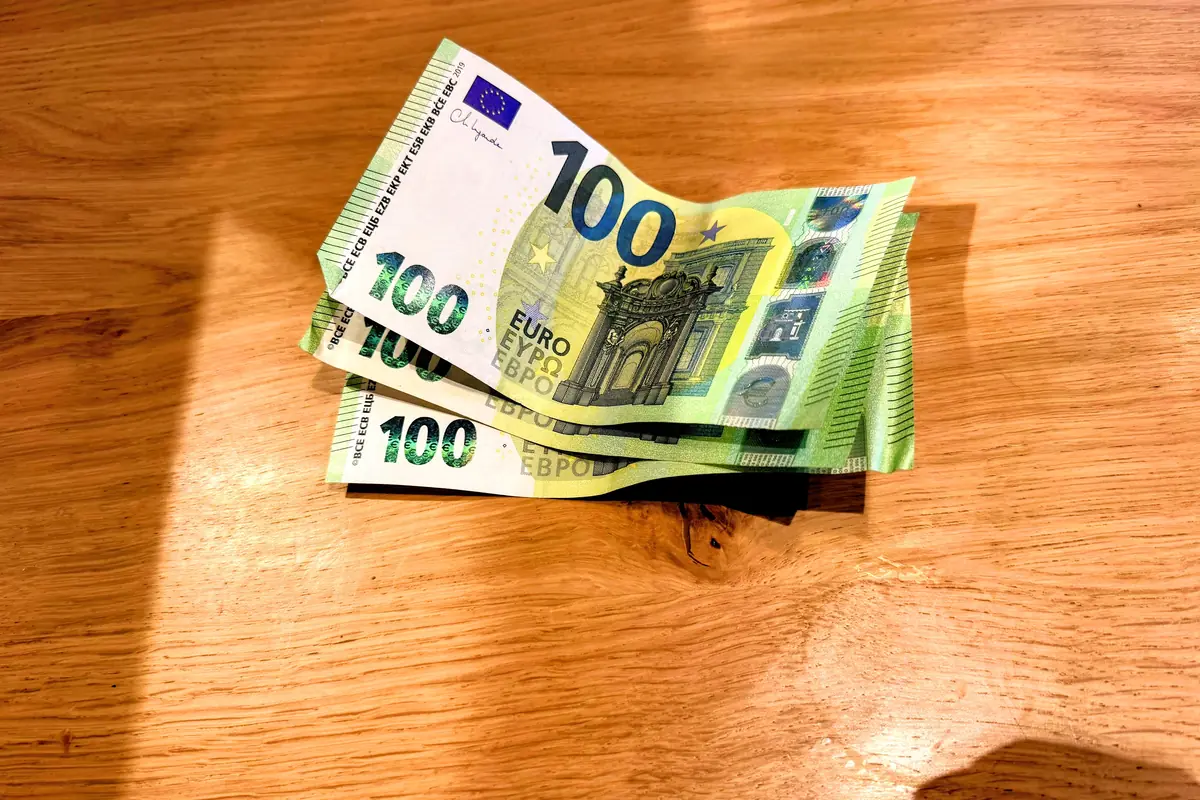
The official currency of Montenegro is the Euro (€). Despite not being a member of the European Union, Montenegro has used the Euro as its sole legal tender since 2002. Travelers should note that while cards are widely accepted on the coast, Montenegro remains a cash-heavy society once you leave the main tourist hubs.
Travel Logistics
Payment Methods: Cash vs. Card in 2026
From contactless “tap-to-pay” in Kotor to mandatory paper bills in the Durmitor highlands: here is exactly where your cards will (and won’t) work in 2026.
| Service / Venue | Ease of Card Use | Local Advice |
|---|---|---|
| Supermarkets & Malls | Excellent | Apple Pay, Google Pay, and contactless chips are the standard at Voli and IDEA. |
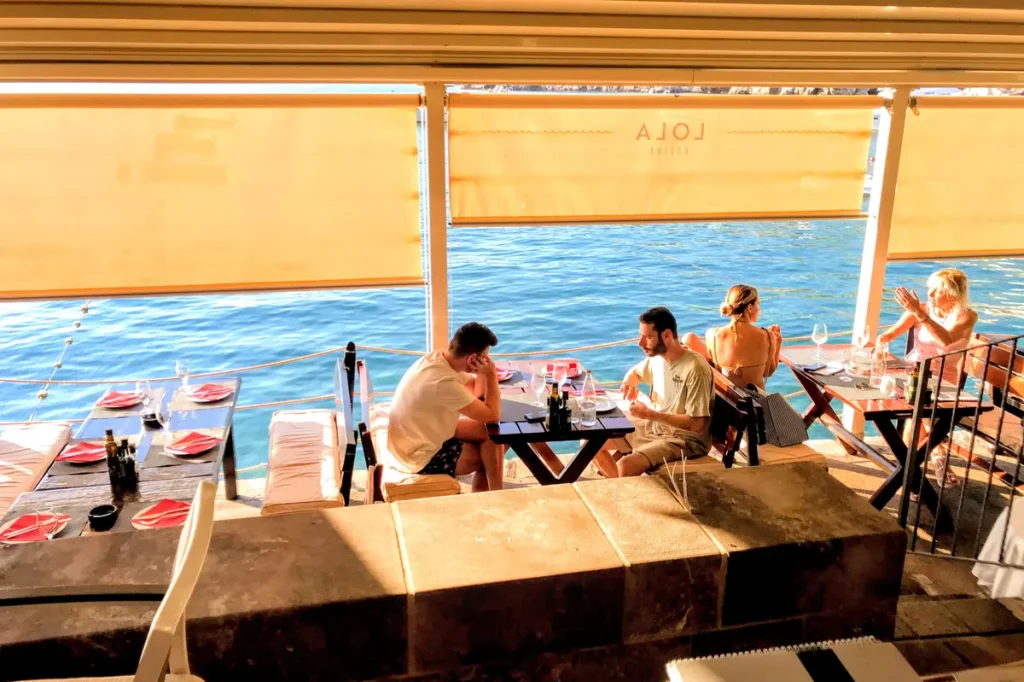
| Coastal Restaurants | High | Cards accepted for the bill, but it is culturally customary to leave tips in cash. |
| Taxis & Parking | Limited | Most drivers lack POS terminals. Use the Tesla Taxi app in Podgorica for card options. |
| Old Town Shops | Moderate | Many small boutiques in Kotor Old Town have a €10 minimum for card swipes. |
| Mountain Katuns (Northern Region) | None | Rural guesthouses and “Katuns” in Prokletije or Kolašin are 100% cash-only environments. |
Editorial Recommendation
The Smart Traveler’s Choice for 2026
To truly beat the “ATM Trap” in Montenegro, we recommend using Wise. It allows you to hold Euros in a digital wallet and spend like a local with the real exchange rate.
Get Your Travel CardNote: Sign up via our link and you may receive a fee-free transfer up to €500.
A “Borrowed” Stability
Montenegro’s relationship with the Euro is unique. After surviving hyperinflation in the 1990s, the nation unilaterally adopted the Deutsche Mark in 1999, which transitioned into the Euro in 2002.
Because Montenegro does not mint its own coins or control the money supply, this “unilateral euroization” provides a rock-solid foundation for travelers, even if it creates a tight physical cash supply locally.
Pro Tip: Cash is King
- Daily Limits: Most ATMs (CKB, NLB) cap withdrawals at €500 per day.
- Exchange Fatigue: Avoid bringing USD/GBP cash. Exchange offices are rare; you’ll likely end up waiting in long bank queues.
