
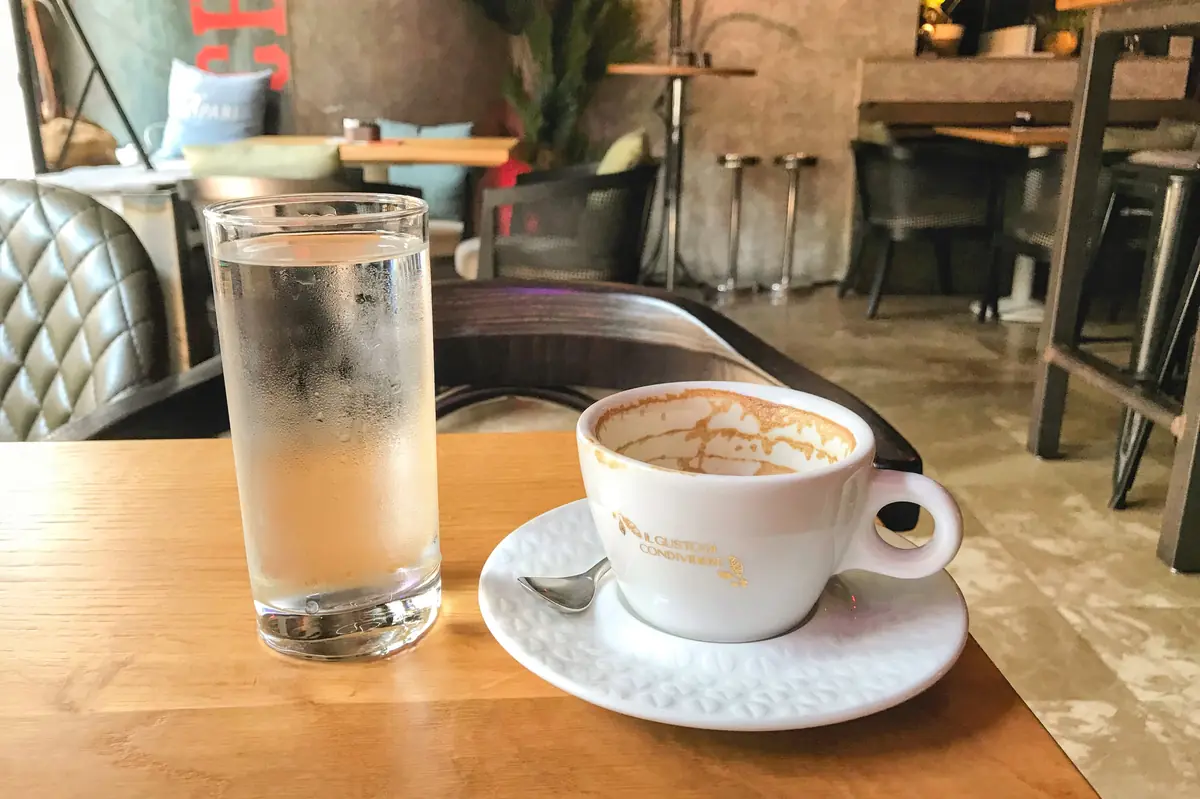
For the vast majority of travelers, there is no need to rely on plastic bottled water. Most locals drink from the tap daily, and cafes routinely serve a glass of tap water alongside coffee as standard practice. However, understanding the 2026 infrastructure and regional differences is essential for a worry-free trip.
Infrastructure & Safety Standards
Montenegro’s water safety is backed by rigorous monitoring from the Institute of Public Health (Institut za javno zdravlje). As the nation aligns its environmental policies with EU standards in 2026, municipal systems have seen significant filtration upgrades.
Visitors may notice a slightly stronger taste of chlorine in coastal towns during July and August. This is a deliberate safety measure used by municipal authorities to maintain sterility during high-demand tourism periods. While perfectly safe to consume, many choose a reusable filter bottle to neutralize the taste.
Water Safety by Region
| Region / Location | Safety Status | Primary Source & Notes |
|---|---|---|
| Budva & Kotor | Safe | Connected to the Regional Water System. Strict daily quality control. |
| Herceg Novi | Safe | ISO-certified supply, often sourced from the Plat system in Croatia. High mineral quality. |
| Luštica & Islands | Caution | Many villas use private Cisterna (tanks). Boil before drinking or use bottled water. |
| Mountain Springs | Untreated | Usually fresh but unchlorinated. Risk of bacteria after heavy rain or spring snowmelt. |
| Podgorica & Central | Safe | Supplied by the Mareza spring. Excellent quality, though can be prone to turbidity after storms. |
The Three-Step Safety Protocol
— I —
Observe the Atmosphere
Montenegro’s karst landscape is sensitive to heavy precipitation. Following significant storms, wait for an “all clear” from local news before consuming tap water.
— II —
Confirm the Provenance
Inquire if your residence is supplied by Gradska Voda (municipal supply) or a Cisterna (private tank). While the former is strictly regulated, the latter’s quality depends on private maintenance.
— III —
Visual Clarity
The water should be crystal clear. Milky water is often just harmless oxygen from high-pressure chlorination, but any yellow or brown tint is a signal to switch to bottled alternatives.
Regional Variations: A City-by-City Guide
Budva & The Riviera
The water in Budva is of exceptional quality and is entirely safe for consumption. As the tourism capital, the distribution is managed under strict HACCP and ISO certifications. Visitors may occasionally notice a slightly pronounced scent of chlorine; while this can affect the palate, it is a hallmark of the city’s rigorous scientific approach to sanitation and public safety.
Herceg Novi & Luštica
In Herceg Novi, the municipal supply adheres to the highest international standards (ISO 9001 and 14001). However, the geography here demands more attention from travelers. While the town center is perfectly served, more remote villas on the Luštica Peninsula or high in the surrounding mountains often rely on private catchment systems. In these instances, a quick consultation with your property manager is advised.
Bar & The Port Region
The water supply in Bar is modern and generally provides excellent quality across the municipality. However, due to the city’s unique position between the sea and the Rumija mountains, the utility company is particularly diligent about monitoring mineral clarity. It is one of the most transparent regions regarding public safety updates.
Ulcinj & The South
Ulcinj offers a unique blend of modern infrastructure and old-world charm. While the municipal tap water is safe in most districts, the town is famous for its Ottoman-era public fountains. These stone monuments in the historical center remain popular spots for locals to fill glass bottles with fresh water. Note that in the winter months, the southern limestone can be prone to turbidity after heavy rains, occasionally affecting clarity.
Official Monitoring & Service Alerts
For peace of mind – especially following heavy rainfall – you can monitor real-time quality reports directly from the municipal water authorities.
“
The Local’s Verdict: To Filter or Not?
“Whenever friends visit me in Montenegro, their first question is always about the tap water. My answer is usually: It is safe 351 days of the year.”
While I drink the tap water daily, I personally choose to filter it at home. My primary reason isn’t safety – it’s the chlorination. During the summer months, the municipal supply increases chlorine to ensure sterility across the high-demand coastal network. A filter removes that “swimming pool” scent and makes the water taste as fresh as a mountain spring.
My Setup: The British Berkefeld
For my home setup, I use a British Berkefeld gravity-fed system. Unlike standard plastic pitchers, its ceramic “Ultra Fluoride” filters are incredibly effective at removing the heavy chlorine taste and any sediment that might occur after storms. It sits on the countertop as a permanent, plastic-free fixture – ideal for those of us living here long-term or staying in high-end rentals.
The 14-Day Rule:
On average, the tap water in Montenegro is undrinkable for about 14 days per year. These days follow the heavy rainstorms of winter when the limestone springs experience temporary cloudiness (turbidity).
