
Ten Days Across the Wild Heart of the Adriatic
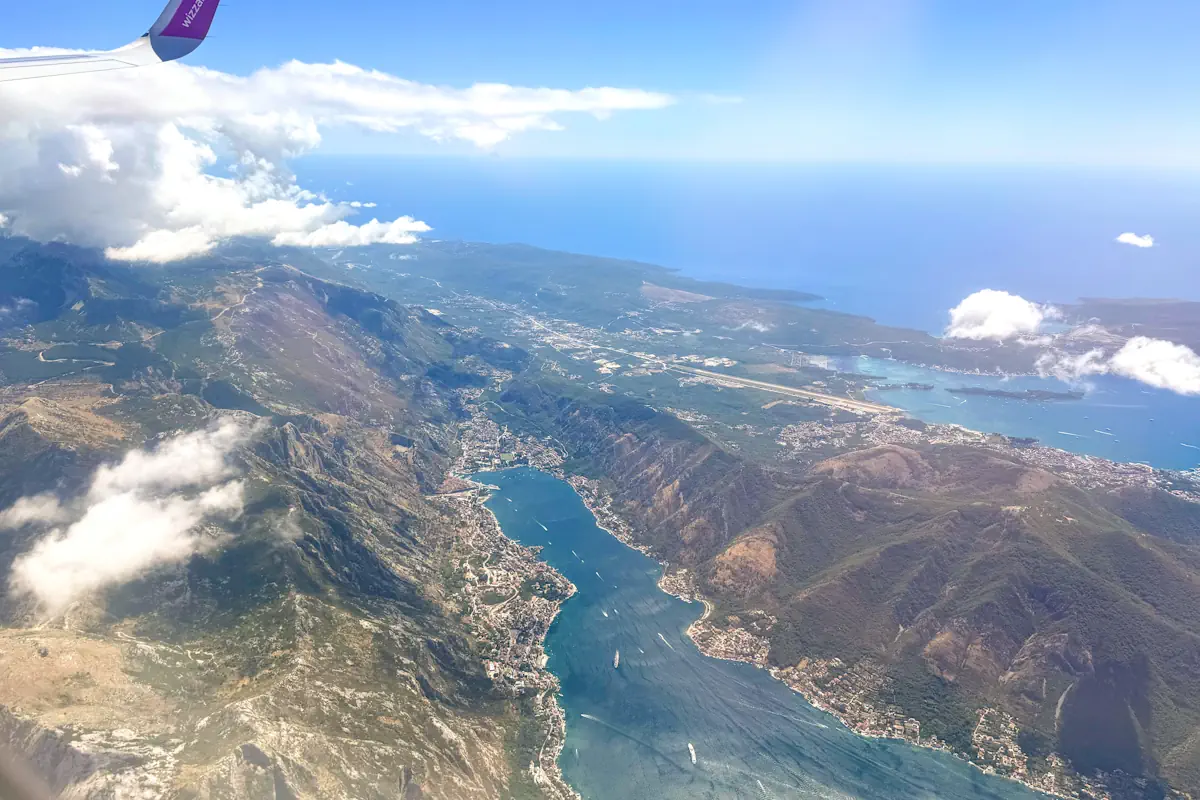
This is not a checklist; it is a journey through the soul of the Eastern Adriatic. From the limestone fjords of Kotor to the alpine meadows and glacial mountain eyes of Durmitor, ten days allows for a profound immersion into the landscapes that earned Montenegro its name.
Pace and Vibe
Cinematic & Immersive
The Drive
Mountain Pass & Coastal Road
Gateway
Kotor or Tivat
Perfect For
Nature & Heritage
The Route Overview
- Day 1-3 Kotor Bay & The Luštica Peninsula
- Day 4-5 Budva Riviera & Sveti Stefan
- Day 6 Lake Skadar & The Horseshoe Bend
- Day 7 Ostrog Monastery & High Highlands
- Day 8-9 Durmitor National Park & Tara Canyon
- Day 10 The Scenic Return via the Kotor Serpentine
The Essentials
What to Pack
Montenegro transitions from Mediterranean heat to Alpine chill in a single afternoon. Preparation is the key to comfort.
Coastal Chic
- Linen & Silk Separates
- Water Shoes (For pebble beaches)
- Polarized Sunglasses
- Reef Safe Sunscreen
- Dry Bag for Boat Charters
Mountain Technical
- Mid-weight Merino Layers
- Windproof Shell Jacket
- Grip-focused Trail Shoes
- Reusable Water Bottle
- Lightweight Daypack (20L)
City & Culture
- Modest clothing (Monasteries)
- Universal Power Adapter (Type F)
- Offline Google Maps
- Cash in Small Euro Bills
- Viber (Local Communication)
The Golden Rule
Never head North without a light down jacket. Temperatures in Durmitor can drop to 10°C (50°F) at night in July. For Ostrog Monastery, keep a “cover-up” layer accessible in your day bag.
Kotor: The Limestone Fjord
Your 10-day journey begins in the UNESCO-protected town of Kotor. Tucked between sheer anthracite cliffs and the calm waters of the Boka Bay, this medieval labyrinth of polished marble is the cultural anchor of Coastal Montenegro.
07:30 AM
The Climb to San Giovanni
Start your morning early to avoid the cruise ship crowds. The 1,350-step climb to the Castle of San Giovanni offers a birds-eye view of Kotor’s triangular wedge of orange-tiled roofs. For a more authentic experience, follow the Ladder of Kotor trail located just outside the northern walls.
01:00 PM
Lost in Stari Grad
Spend the afternoon exploring the Old Town. Unlike other coastal towns, Kotor’s map was intentionally designed to be confusing for invaders. Visit the Romanesque St. Tryphon Cathedral and the Maritime Museum to understand the seafaring wealth of the Boka Navy.
07:30 PM
Waterside Dining in Dobrota
Escape the Old Town crowds and head to the seaside promenade of Dobrota. Secure a table at Bonazza or La Ricetta for high-end Mediterranean cuisine right on the water’s edge, offering a more serene and authentic alternative to the tourist-bound dining inside the walls.
Where to Stay in Kotor
From Venetian palaces in Stari Grad to luxury waterfront villas in Dobrota.
Traveler Briefing
Connectivity
Pick up a local SIM at any Tobacco kiosk to maintain seamless connectivity. Viber is the unspoken language of logistics – essential for coordinating private boat transfers and waterside tables.
Logistics
For those venturing beyond the coast into the interior, renting a car in Montenegro is the only way to truly unlock the country’s vertical landscapes.
Expertise
See our curated dossiers on the Best of Kotor and the city’s most Distinguished Dining.
The Maritime Soul: Perast and the Islands
While Kotor is defined by its centuries-old stone walls, Perast is defined by the water. This 15-minute drive north takes you to a town where 16 Baroque palaces face the sea. This is the most refined corner of the bay.
The island church: Our Lady of the Rocks with its distinctive blue dome.
10:00 — Morning
The Legend of Gospa od Škrpjela
Hire a local boat taxi for the trip to Our Lady of the Rocks. This island was built over 600 years by sailors dropping stones and sinking seized ships. Inside the blue-domed church, you will find 68 oil paintings by Tripo Kokolja and silver “votive” plates donated by sailors for protection at sea.
14:00 — Afternoon
The Bell Tower and the Almond Cake
Climb the 55-meter bell tower of St. Nicholas Church for a “top-down” view of the red roofs. Afterward, stop at any waterfront cafe for a slice of Peraška Torta (Perast Cake). This flourless almond cake has been the town’s signature dessert since the 17th century.
Logistics Alert
Perast is a pedestrian-only zone in summer; if not driving, check the Kotor to Perast bus schedule for an easy transfer. Most boat captains accept small Euro bills for the island trip, so keep cash handy. For a long lunch by the water, explore our guide to the best restaurants in Perast.
The Blue Cave and Luštica Peninsula
Today you leave the inner bay behind to explore the “wild side” of the coast. The Luštica Peninsula is an area of rugged limestone cliffs, turquoise sea caves, and olive groves that have stood for three centuries.
09:00 — Morning

The Blue Cave (Plava Špilja)
Board a speedboat from the Kotor waterfront for a high-speed journey toward the open sea. Your destination is the Blue Cave, where the morning sun reflects off the white sandy floor to create a natural sapphire glow. Most tours also include a stop at the Yugoslav-era submarine tunnels.
13:30 — Afternoon
The Moric Olive Estate
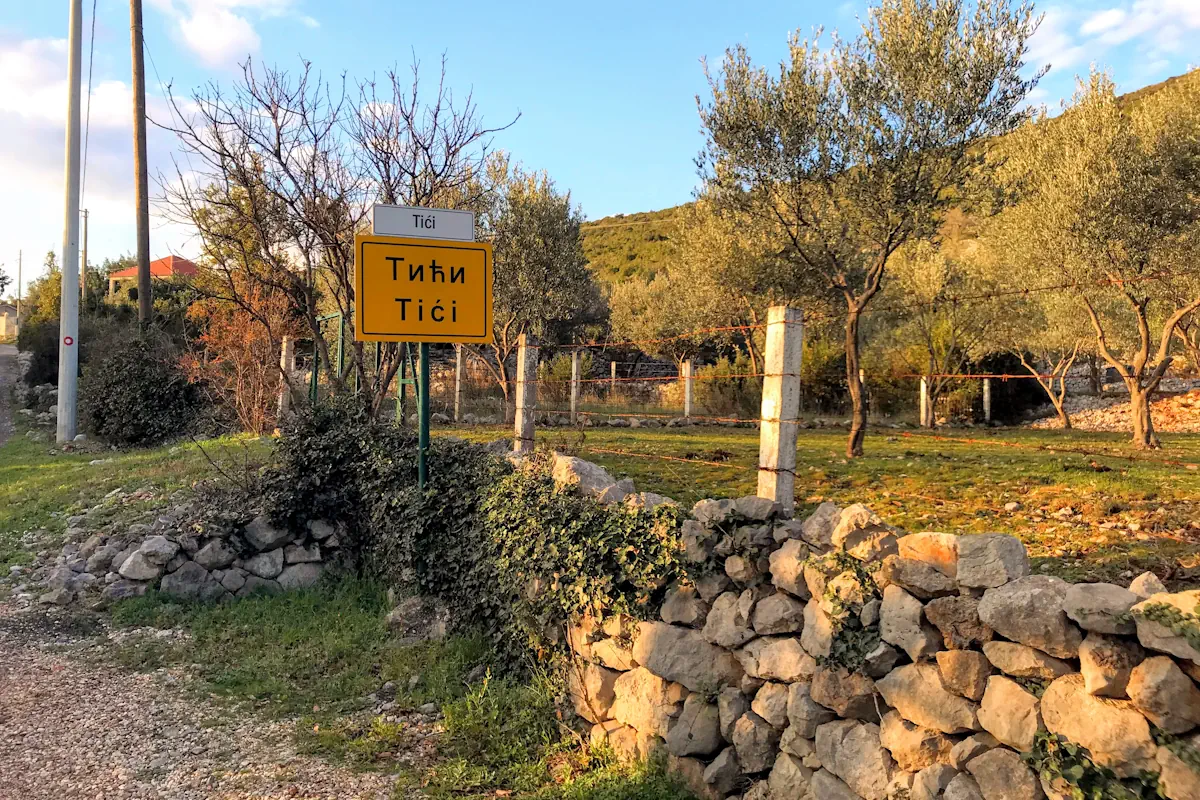
Drive into the heart of the peninsula to the village of Tići. The Moric family has been producing organic olive oil here for generations. You can take a guided walk through their grove of 300-year-old trees and participate in a formal tasting of oils infused with local sage and rosemary.
18:30 — Evening

Sunset in Rose Village
End your day in the tiny fishing village of Rose. It is one of the oldest settlements in the region, facing Herceg Novi. Dine at Adriatic or Forte Rose as the sun dips below the horizon.
Design Note
While Rose captures the peninsula’s rustic past, a 20-minute drive across the olive groves brings you to Luštica Bay, a striking transition to the sleek, five-star future of the Adriatic coast.
Recommended Stays: The Boka Region
From restored captain’s palaces to contemporary marina resorts, these are our vetted selections for the start of your journey.
Boutique Elegance
Palazzo Radomiri
An early 18th-century palace located on the Dobrota waterfront. It offers a refined, tranquil escape with a private dock perfect for morning swims.
Check Availability
Heritage Luxury
Hotel Leon Coronato
A 17th-century stone palace located directly on the Perast waterfront. This property perfectly balances Venetian history with breathtaking bay views.
Check Availability
Contemporary Resort
The Chedi Luštica Bay
A masterclass in modern Adriatic luxury. Located in a private marina community on the Luštica Peninsula, offering a sophisticated beach club atmosphere.
Check AvailabilityBudva: The Oldest Stone on the Adriatic
Today you drive south along the Adriatic Highway toward Budva. While it is known for its modern nightlife, the 2,500-year-old Stari Grad remains the historical heart of the Riviera, surrounded by some of the most dramatic coastal cliffs in Europe.
09:30 — Morning
The Citadel and the Sea Walls
Enter the Old Town through the Porta di Terra Ferma Gate. Your first stop is the Citadel, located at the highest point of the limestone promontory. From the library balcony, you can see the entire coastline stretching toward Sveti Nikola island. Walk the perimeter of the medieval walls to get a unique perspective of the narrow stone alleys and the hidden courtyards below. For a deeper dive into the history, see our guide on the best things to do in Budva.
14:00 — Afternoon
The Mogren Cliff Path
Follow the narrow seaside path that hugs the cliffs starting near the Avala Hotel. You will pass the iconic “Budva Dancer” statue before reaching Mogren I and II. These twin beaches are connected by a small tunnel carved into the rock. The cliffs here are made of layered limestone sheets, providing a stunning backdrop for a swim in the sheltered, crystal-clear cove.
19:30 — Evening
Dinner at the Marina or the Citadel
As the sun sets, the yachts in the Budva Marina begin to light up. For the best seafood in the city, book a table at Jadran kod Krsta, a family-run institution since 1976 owned by local biker legend Krsto Niklanović. Alternatively, for high-altitude views and a more formal atmosphere, dine at Restaurant Citadela atop the fortress walls.
Parking Tip
Budva is notoriously difficult for parking year-round; see our Budva parking guide for a full map of zones. Avoid the street spots and head directly for the “Parking Stari Grad” lot near the Marina. It is more expensive (roughly 2 to 3 Euro per hour), but it saves you from the local towing service which is extremely active during the summer months.
Sveti Stefan: The Pink Pebble Coast
A short 15-minute drive from Budva takes you to the most exclusive stretch of the Montenegrin coast. Sveti Stefan is a 15th-century fortified village turned luxury island, surrounded by cedar forests and pristine pink-sand beaches.
09:00 — Morning
The Iconic Island Viewpoint
Start your morning at the St. Sava Church viewpoint, located high above the coast in the village of Blizikuće. From here, you can see the perfect geometry of the Sveti Stefan tombolo. Descend to the shoreline to walk across the narrow stone causeway that connects the island to the mainland. While the island interior is often restricted to hotel guests, the shoreline is split into two distinct experiences: the right beach is an exclusive Aman-managed stretch with a premium price tag, while the public beach on the left offers the same crystal-clear water and medieval stone views at a more accessible price.
13:30 — Afternoon
The Royal Forest of Miločer
Walk north from Sveti Stefan through the Royal Miločer Park. This 18-hectare estate was the summer residence of the Yugoslav Queen Marija Karađorđević. The path takes you under a canopy of exotic cedars, Lebanese pines, and olive trees. You will pass the King’s Beach and the world-famous Queen’s Beach, a secluded emerald cove framed by cypress trees. The architecture of Villa Miločer is a true stone masonry masterpiece.
19:00 — Evening
A Seafood Finale in Pržno
Continue your walk through the forest until you reach the fishing village of Pržno. This tiny harbor is the best place for a sunset dinner. For the quintessential seaview experience, book a table at Konoba More, where the terrace sits right on the water’s edge. Alternatively, for a more authentic and affordable local atmosphere, head to Konoba Zago tucked just behind the front line. Order the “Buzara” style prawns or the local sea bass baked in sea salt; the atmosphere here is significantly quieter than Budva, offering a true sense of Mediterranean luxury.
TRAVELER NOTE
While the park and the paths are open to the public, the beaches at Miločer (King’s and Queen’s) often require a significant fee for sunbed rentals during the peak season. For those seeking the same turquoise waters at a more accessible rate, explore our guide to the best beaches in Budva.
Recommended Stays: Budva & Sveti Stefan
For the middle of your journey, we suggest staying south of Budva’s main bustle to enjoy the pristine pine forests and secluded coves of the Royal Riviera.
The Gold Standard
Aman Sveti Stefan
The most exclusive address in Southeastern Europe. AMAN Sveti Stefan offers unparalleled luxury within the former royal summer residence of Villa Miločer and the resort island.
View Alternatives
Seaside Elegance
Hotel Maestral Pržno
Located in the charming fishing village of Pržno, this property offers panoramic vistas and private access to one of the best swimming and sunset dining spots on the Riviera.
View Property
Modern Panorama
Dukley Hotel & Resort
Set on the Zavala Peninsula between Budva and Bečići, this resort offers ultra-modern residences with floor-to-ceiling windows and ultra-refined private beach clubs.
View PropertyLake Skadar: The Mirror of the Balkans
Today you leave the Adriatic behind. Driving through the Sozina Tunnel, the landscape shifts from limestone cliffs to the lush, lily-covered wetlands of Lake Skadar National Park. This is the largest lake in the Balkans and a sanctuary for the rare Dalmatian Pelican.
The Pavlova Strana viewpoint: where the river meets the mountain in a perfect curve.
10:00 — Morning
The Wooden Boats of Virpazar
Arrive in the lakeside village of Virpazar. This small stone settlement is the gateway to the national park. Rent a traditional wooden boat called a čun for a two-hour private tour. You will drift through vast fields of floating white water lilies and yellow Nuphar flowers. Ask your captain to pass by the Grmožur Fortress, an abandoned island prison known as the Montenegrin Alcatraz, before stopping for a swim in the open, fresh water of the lake.
“Lake Skadar is one of the few places in Europe where you can find the rare Dalmatian Pelican nesting in the wild.”
14:00 — Afternoon
The Panorama of Pavlova Strana
Drive the narrow, winding road toward Rijeka Crnojevića. This is one of the most scenic drives in the country. Your destination is the Pavlova Strana viewpoint. Here, the Crnojević River makes a perfect 180-degree turn around a conical green mountain. The best photo spot is just below Restaurant Ceklin. The perspective from this height makes the river look like a giant emerald serpent coiling through the hills.
19:00 — Evening
Vranac Wine and Smoked Carp
End your day in the Crmnica wine region. This valley is the birthplace of the Vranac grape, a bold and dark red wine. Visit a family-run winery like Vinarija Kopitović or Cermeniza for a tasting session. For dinner, try the local delicacy: smoked carp (Dimljeni krap) served with onions and prunes. It is a flavor profile unique to the lake region and a sharp contrast to the seafood of the coast.
Experience the Hinterland
The Crmnica Wine Region
Private Tastings
The hills around Virpazar produce the country’s finest Vranac. We recommend booking a private cellar tour to taste heritage vintages directly from the barrel.
Book a Wine TourLakeside Escapes
Experience the ‘Slow Living’ side of Montenegro. From chic safari tents hidden in the hills to restored stone cottages among the vineyards, these stays are for those seeking a deep connection to the land.
View Lake SelectionNote: The mountain road to the wineries is narrow; drive slowly and enjoy the panoramic pull-offs.
Ostrog: The Fortress of Faith
Leaving the wetlands of Skadar, you head toward the Zeta Valley. Today is defined by one of the most significant spiritual sites in the Balkans: a 17th-century monastery carved directly into a vertical mountain face.
10:30 — Morning
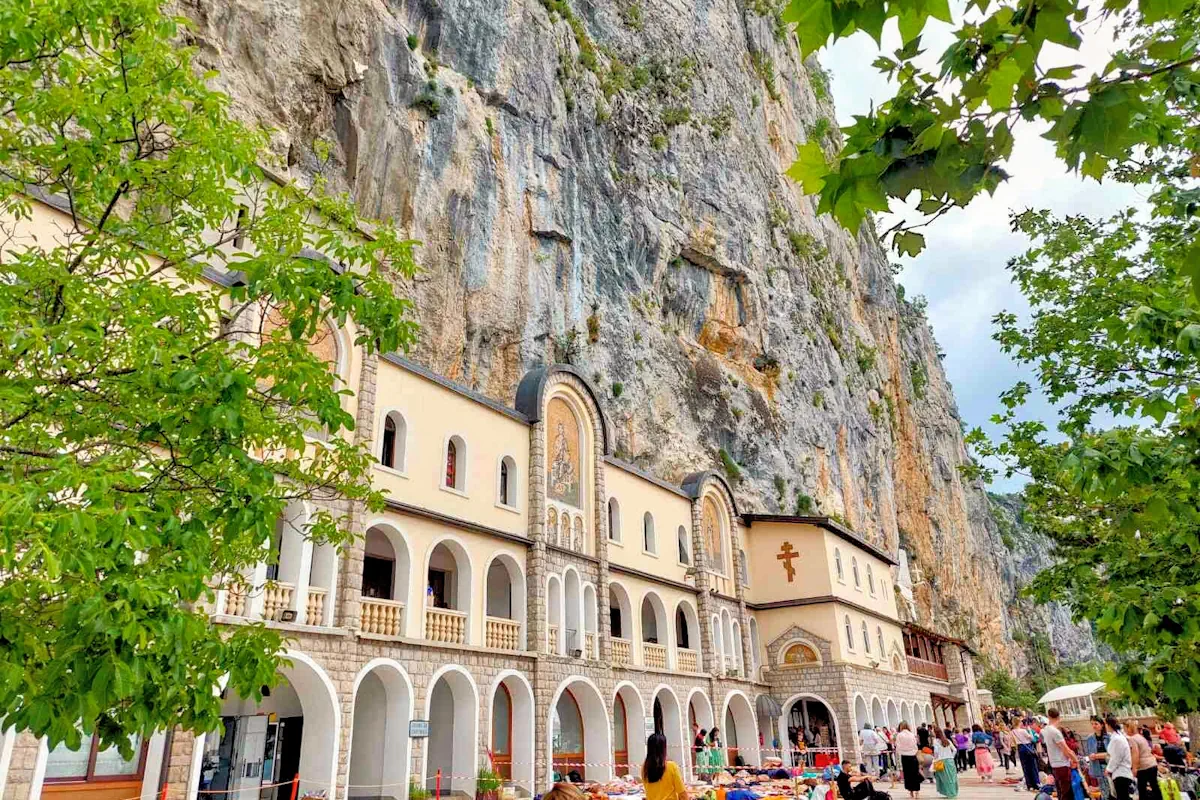
Ostrog Monastery appears to defy gravity, hanging 900 meters above the valley floor.
The Upper Monastery
Drive the narrow, winding road up the mountain to reach the Orthodox Monastery of Ostrog. Founded by Vasilije (St. Basil), its facade is embedded into a natural cave in the Ostroška Greda cliff. Inside, the atmosphere is heavy with incense and silence. You can visit the two small cave-churches, the Church of the Holy Cross and the Church of the Presentation of the Most Holy Mother of God, which are decorated with 17th-century frescoes painted directly onto the rock walls.
Note: Dress modestly to enter. Shoulders and knees must be covered. It is common to see pilgrims walking the final three kilometers from the Lower Monastery barefoot as an act of devotion.
14:30 — Afternoon
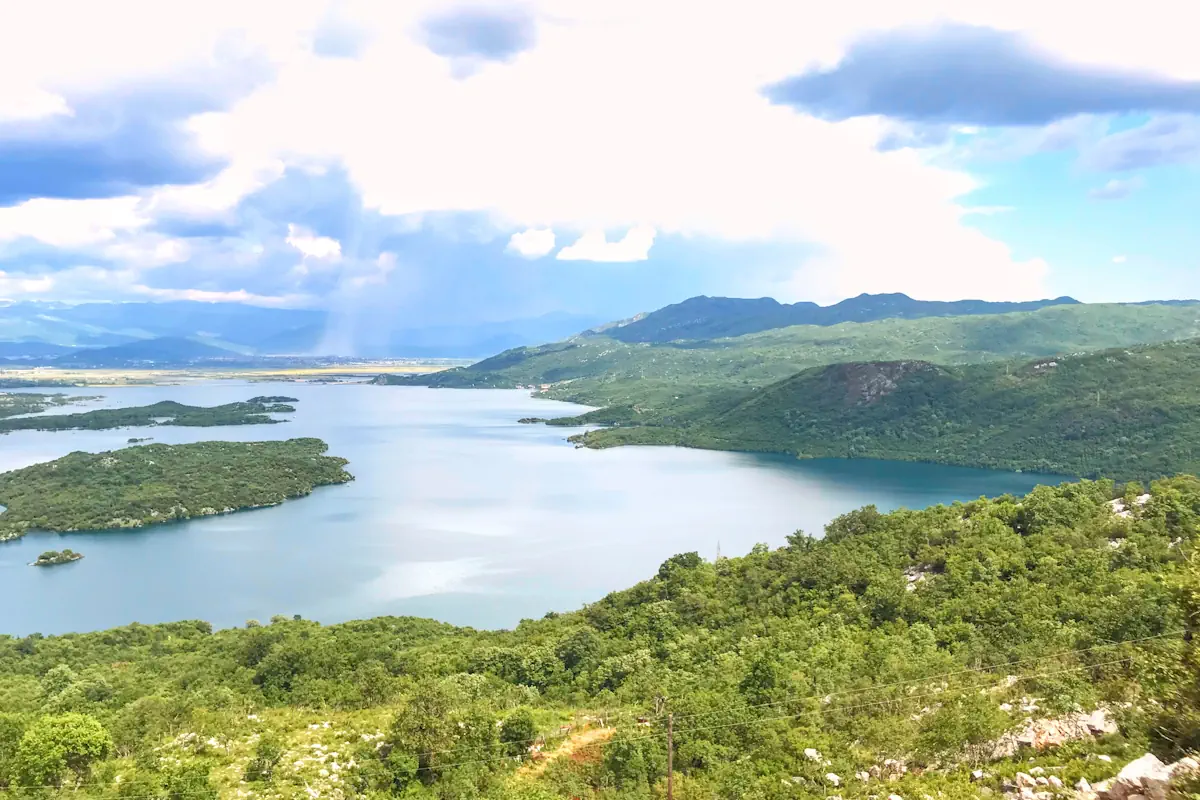
The lush lakescape near the industrial city of Nikšić.
The Lakes of Nikšić
Continue your drive north toward Nikšić, the second-largest city in Montenegro. While the city is known for its industrial heritage and famous Nikšićko pivo (beer), the surrounding nature is the real draw. Stop at Slano Jezero (Salt Lake) or Krupac, artificial reservoirs filled with dozens of small, forested islands. I always pause at Restaurant Panorama for a coffee or a light lunch; the viewpoint is, quite simply, one of my favorites in all of Montenegro.
19:00 — Evening
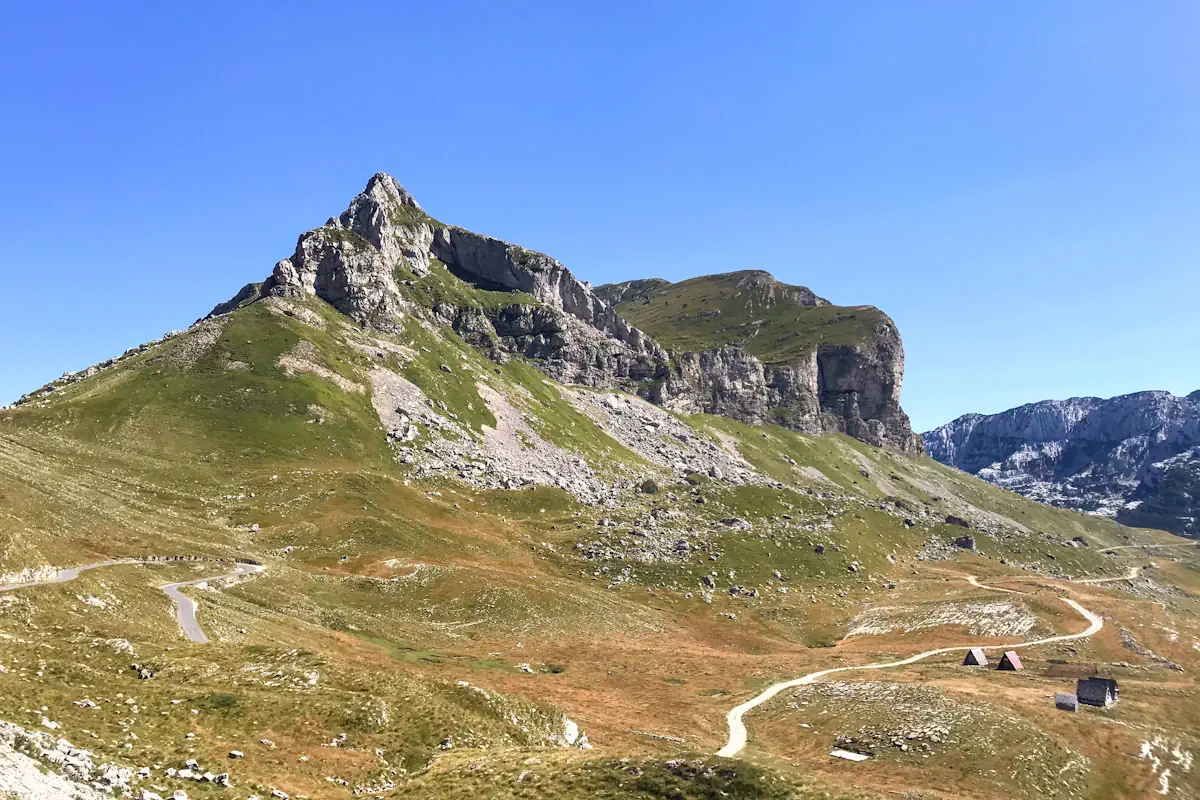
Arriving in the high-altitude town of Žabljak – the basecamp to the Durmitor peaks.
Arrival in the High Highlands
The final leg of your day is the climb into the Durmitor mountain range. As you approach the town of Žabljak, the highest urban settlement in the Balkans (1,450 meters), the temperature will drop significantly. Check into a traditional “Ethno-Village” or a wooden mountain cabin. For dinner, find a cozy spot like Krčma Nostalgija to try Kačamak, a heavy, buttery mountain dish made of potatoes, cornflour, and local Kajmak.
The Mountain Arrival Protocol
If you are staying in a mountain retreat or a traditional Ethno-Selo near Žabljak, the local “Viber Check” is essential. We recommend messaging your hosts a few hours before arrival; this ensures the wood stove is lit and the kitchen is prepared for dinner – a vital detail in the Durmitor highlands, where the air turns crisp the moment the sun dips below the peaks.
Durmitor: The Mountain Eyes
Waking up in Žabljak, you are at the highest point of the Balkans. Today is dedicated to the glacial “eyes” of the mountain, a collection of 18 emerald lakes scattered across the limestone massif.
09:30 — Morning
The Black Lake (Crno Jezero)
Located just a 3km walk from the center of Žabljak, the Black Lake is the crown jewel of the national park. The lake is actually composed of two smaller lakes, the Big and the Small, connected by a narrow strait that dries up in the summer. Walk the 3.5km circular path that hugs the shoreline. The scent of the surrounding black pine forest is intoxicating, and the reflection of the 2,287-meter Medjed peak in the still water is one of the most iconic images of the Montenegrin north.
Altitude: 1,416m
Walk Time: 1.5 Hours
Entry: 5 Euro
14:00 — Afternoon
The Savin Kuk Panorama
For the most effortless high-altitude perspective in the park, head to the Savin Kuk Ski Centre. Two chairlifts carry you from the valley floor up toward the 2,313-meter summit, skimming over alpine meadows and jagged limestone outcrops. The views from the top station are staggering; you can look directly down at the glass-like surface of the Black Lake.
Elevation: 2,313m
Experience: Two-Stage Lift
Vibe: Alpine Grandeur
19:00 — Evening
The Mountain Fireplace
As the mountain air cools, head to Nacionalni Restoran Crno Jezero for a dinner overlooking the lake. Try the Jagnjetina ispod sača (lamb slow-roasted under a metal dome covered in coals). This cooking method makes the meat incredibly tender and is a staple of northern hospitality. Finish with a glass of Dunjevača (quince brandy) to warm up before returning to your retreat.
Recommended Stays: Žabljak & Durmitor
Choose a base that balances the raw nature of the national park with the warmth of traditional Montenegrin hospitality.
Alpine Design
Hotel SOA
The premier boutique choice in Žabljak. Located at the very entrance of the Black Lake trail, it features a contemporary spa and the best views of the Medjed peak.
Alpine Sanctuary
Hotel Polar Star
A refined alpine resort offering spacious apartments and traditional interiors. Located just outside the center, it provides a quiet, high-altitude sanctuary.
Boutique Seclusion
Eternum Glamping
Stylish geometric domes offering an intimate mountain escape. Enjoy minimalist luxury and raw nature with panoramic views of Durmitor peaks directly from your bed.
Tara Canyon: The Deepest Gorge in Europe
Today you stand on the edge of the “Tear of Europe.” The Tara River has carved a canyon 1,300 meters deep, second only to the Grand Canyon in scale. This is the wild, adrenaline-fueled heart of the Montenegrin north.
10:00 — Morning
The Đurđevića Tara Bridge
Drive 25 minutes from Žabljak to the Đurđevića Tara Bridge. When completed in 1940, this five-arch concrete marvel was the largest vehicular concrete arch bridge in Europe. Walk across the 365-meter span to look directly down into the emerald water of the Tara River, 172 meters below. For the ultimate view, find the small cafes on the west side of the bridge where you can sit on the edge of the canyon with a Dojč coffee or beer.
Book Canyon Zip-Line
13:30 — Afternoon
Rafting the Emerald Vein
Descend to the riverbank for a half-day rafting excursion. The Tara River is famous for its “Drinkable Water” status and its vibrant turquoise hue. Even in the summer, the water remains a brisk 10 to 12 degrees Celsius. You will navigate Class II and III rapids, passing under waterfalls that tumble directly from the canyon walls. If you prefer to stay dry, the Red Rock Zip Line runs parallel to the bridge, offering a 1,000-meter flight across the void at speeds of up to 120km/h.
Book Tara Rafting
19:30 — Evening
Dinner at the Edge of the Woods
Return to Žabljak for your final mountain dinner. Visit Restoran Oro, an architecturally stunning stone and wood building in the center of town. Their cicvara (a rich dish of melted cheese, cream, and flour) is a traditional high-energy meal for mountain dwellers. It is the perfect comfort food for a cool Durmitor evening before your long scenic drive back to the coast tomorrow.
The Grand Return: Peaks to Palms
Your final day is a 180-kilometer odyssey. You will begin in the sub-alpine tundra of the north, cross the high-altitude Sedlo Pass, and descend the legendary 25 serpentines of the Lovćen road back into the Bay of Kotor.
08:30 — The High Pass
The Sedlo Saddle
Leave Žabljak early to drive the legendary Durmitor Ring. Following the route clockwise, you will ascend the Sedlo Pass (1,907m) before reaching the viewpoint of Prutaš.
Continue the drive into the highland village of Pišče. Here, just before the road begins its dramatic descent toward the Piva Canyon, you will find a rare collection of Stećci. These heavy monolithic slabs sit in the open grass, offering a silent window into the region’s feudal soul.
13:00 — The Turquoise Canyon
Piva Lake and the Plužine Descent
As you descend the western side of Durmitor, you will encounter the Piva Canyon. The road passes through dozens of unlit tunnels carved directly into the rock. Stop at the viewpoint for Piva Lake, an artificial reservoir of such intense turquoise it looks surreal. Have a rustic lunch in Plužine before continuing your drive south toward the old royal capital of Cetinje.
18:00 — The Golden Hour
The 25 Serpentines
The finale of your 10 day Montenegro itinerary is the descent from Lovćen National Park to Kotor. The “Kotor Serpentine” is a series of 25 hair-pin turns that drop 1,000 meters in a few kilometers. Time your drive so you reach turn number 25 (the famous “M” turn) just as the sun begins to set over the Adriatic. It is the most dramatic way to end a road trip in Europe.
The Final Descent
The 25 Serpentines are the ultimate test of a road trip. Allow one hour for the descent to Tivat; the road is narrow, the hairpin turns are tight, and the views are distracting. A reliable car is non-negotiable for these mountain passes.
Find the Right Car for This Route