
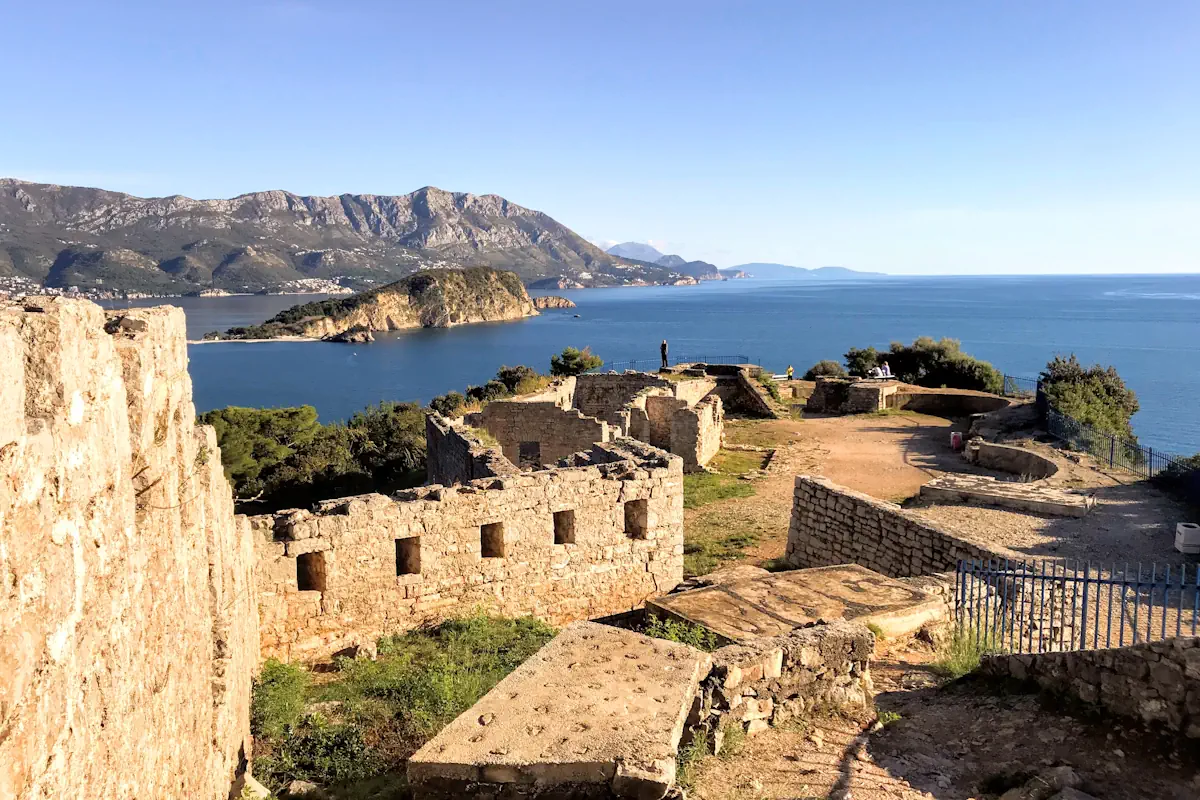
Venetian Stone & Wild Waters
Most visitors never leave the stone walls of Kotor – and they are missing the point. Montenegro is a country of impossible contrasts. This 7-day Montenegro itinerary is a curated journey through the golden ratio of the Adriatic: from medieval pirate strongholds and the “Secret Coast” of the south to the lily-covered ancient wetlands of Lake Skadar.
The 7-Day Route at a Glance
- Day 1-2 Boka Bay: Medieval Kotor & The Baroque Elegance of Perast
- Day 3 Budva Riviera: The Old Town & Escaping to “Hawaii” Island
- Day 4 The Scenic South: Sveti Stefan Panorama & Petrovac’s Secret Coves
- Day 5 The Wild South: Pirate History & the Volcanic Sands of Ada Bojana
- Day 6 Lake Skadar: Traditional Boat Cruises & The Wine Cellars of Godinje
- Day 7 The Grand Finale: Lovćen Mausoleum & The Kotor Serpentines
Kotor: The Ladder & The Labyrinth
Begin where the mountains meet the tide. The Bay of Kotor is a landscape of sun-bleached stone and deep sapphire water, where medieval villages cling to the shoreline with a quiet, Venetian grace. Your first day is a study in contrasts: the physical triumph of the heights and the effortless slow-burn of the Old Town’s marble labyrinths.
The San Giovanni Fortress
To beat the Adriatic heat and the mid-morning cruise ship arrivals, start early. Hike the 1,350 stone steps to the St. John’s Fortress (San Giovanni). The view from the top is the “hero shot” of every Montenegro trip, an expansive perspective of the Boka Bay anchored by the red and gold national flag that marks the fortress’s highest point.
The reward for the 1,350-step climb.
Cathedrals & Coffee Culture
Descend back into the Kotor Old Town, a Venetian-built maze. Visit the St. Tryphon Cathedral (built in 1166), the bulky Kampana Tower, and the quirky Cats Museum. Don’t forget to stop at the Square of the Arms for an espresso and slice of krempita to observe the city’s most famous residents: the local cats.
Waterfront Gastronomy in Dobrota
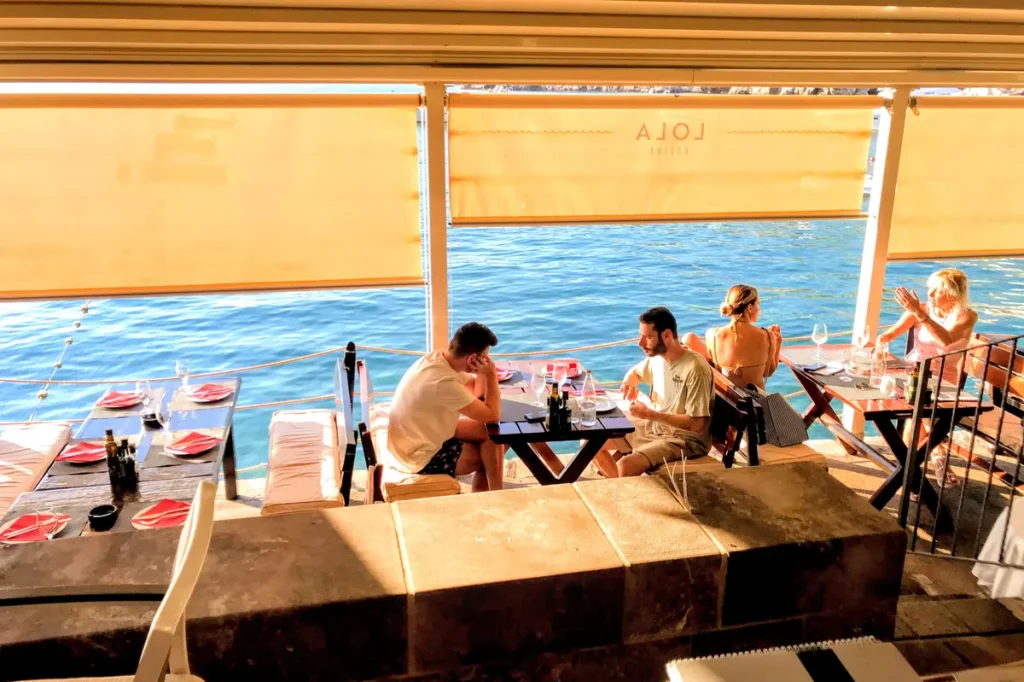
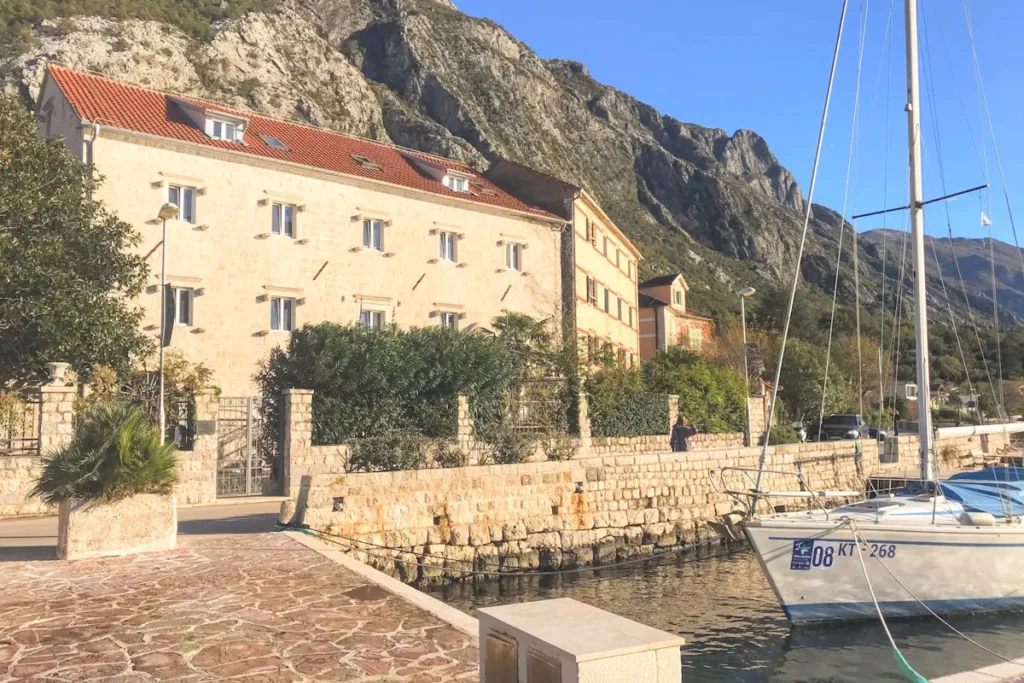
Escape the crowds by walking 15 minutes north to Dobrota, where the cruise crowds thin out and the “local” Boka begins. This stretch is lined with stone piers and waterfront palazzi – the perfect setting for a sunset dinner. For an elevated experience right on the water’s edge, secure a table at Portun or Bonazza.
Planning a dinner in the Old Town?
Read our curated guide: 10+ Best Restaurants in Kotor →
Where to Stay in Kotor
Hotel Astoria – 13th-century stone charm in the heart of the Old Town.
Perast: Baroque Stone & Islands
Drive 15 minutes north along the coast to Perast, a tiny, single-street town that was once the home of wealthy sea captains.
Our Lady of the Rocks
Take a boat taxi (€5) from the waterfront to the man-made island of Our Lady of the Rocks. Explore the church and the museum, which houses the famous “Silver Hair” tapestry by Jacinta Kunić-Mijović. Afterward, take 10 minutes to walk the length of Perast – it’s essentially a car-free open-air museum.
Pirates Bar & Swimming
Head to the northern end of town to Pirates Bar. This is a legendary stone-pier beach club where you can jump directly into the deep blue water. It’s the best spot to spend a slow, sun-soaked afternoon with a cocktail in hand.
Seafood at Conte
End your stay in the Boka with a meal at Conte or Locanda. These waterfront restaurants offer world-class seafood pasta. Perast is much quieter than Kotor at night, making it the perfect setting for a refined, romantic dinner.
Resident Tip: Choosing Your Base
The Boka Bay is compact, but your choice of town defines the atmosphere of your evenings.
Stay in Kotor if… You want to be in the heart of history and cozy pub nights. Best for those who want everything within walking distance.
Stay in Perast if… You seek a car-free, romantic escape. It is tranquil and silent after the day-trippers leave – the premier choice for luxury seekers.
The Driver’s Secret: If you have a rental car, look at Dobrota. It offers easier parking and a local waterfront feel, perfectly positioned on the scenic road between the energy of Kotor and the elegance of Perast.
Where to Stay in Boka Bay
Hotel Astoria (Kotor)
Boutique luxury inside the Old Town walls.
Palazzo Radomiri (Dobrota)
Early 18th-century captain’s palace on the waterfront.
Heritage Grand (Perast)
Palatial 5-star elegance on the waterfront.
Budva: The High-Contrast Coast
Budva is a city of two speeds. By morning, it is a Venetian stone labyrinth built on 2,500 years of history; by afternoon, it is the center of the high-energy Adriatic. Today is about finding the serenity hidden within the buzz.
14:00 — The Escape
Seeking “Hawaii”
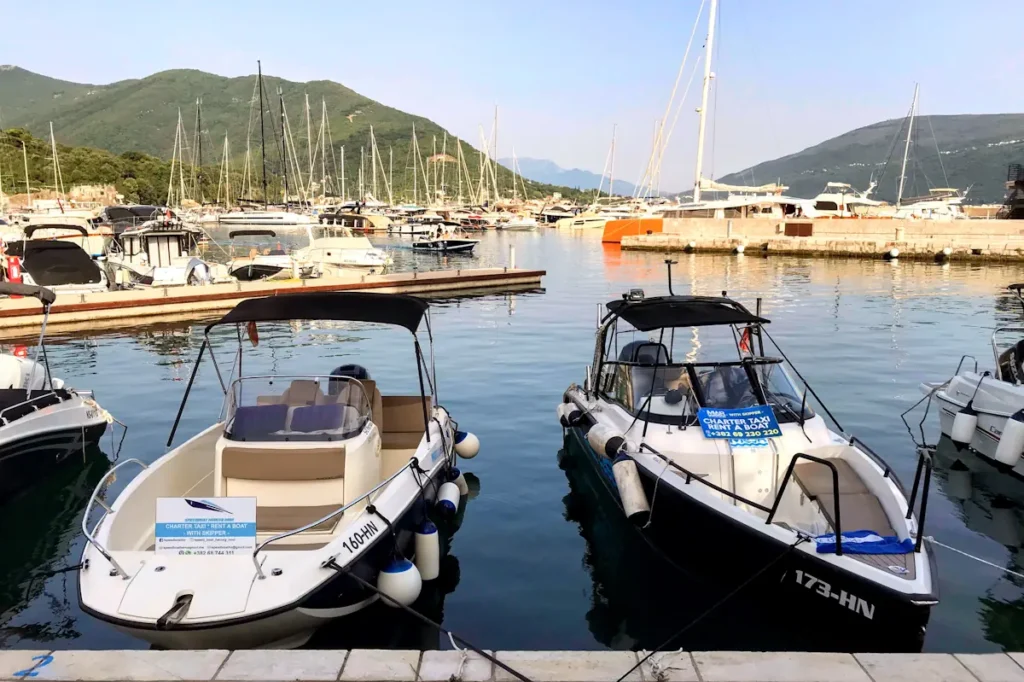
When the mainland heat and crowds peak, head to the marina. For a few Euros, a taxi boat will whisk you across the bay to Sveti Nikola Island. Locally known as “Hawaii,” this jagged, unpopulated spine of rock is the ultimate antidote to the city’s summer pulse. Spend your afternoon snorkeling in the crystalline shallows beneath the island’s 50-meter vertical cliffs, or grabbing a sun lounger on the pebbled shores of Halfmoon Beach.
“The island operates on its own rhythm. Service at the small beach bar is famously ‘relaxed,’ so don’t be in a rush. Put your phone away, order a chilled glass of local Chardonnay, and simply embrace the slow pace.”
18:30 — Sunset Rite of Passage
Sveti Stefan Panorama
No trip to the Budva Riviera is complete without witnessing the golden hour at the St. Sava Church Viewpoint. From here, the 15th-century fortified village of Sveti Stefan looks like a stone ship anchored in the deep blue. After the sun dips, take a quiet stroll through the pine-scented trails of Miločer Park, walking past the former Royal summer residence toward the pink sands of Queen’s Beach.
Mastering the Riviera
From the best seafood spots in the Old Town to secret cliff-jumping coves – everything you need to navigate Budva like a local.
Recommended Stay
Luxury & History combined
We recommend staying in the Old Town for atmosphere, or Bečići for five-star beach resorts.
View Handpicked Hotels
The Essentials
The Montenegro Briefing
The Driver’s Code
Dipped headlights are mandatory 24/7. Local police are vigilant; the alcohol limit is a strict 0.3‰. For the best rates and local insurance coverage, check our Rent-a-Car Guide before booking.
Staying Connected
Skip the roaming fees. Find a “Tabacco” kiosk and ask for a Tourist SIM. For roughly €15, you’ll get 500GB+, which is vital for GPS and using the local SMS parking systems.
The Cash Economy
While major cities are card-friendly, the “Real Montenegro” runs on Euros. You’ll need cash for boat taxis and family-run konobas. Read our Currency Guide for ATM tips.
The Soul of Ulcinj & Ada Bojana
Morning: Ottoman Echoes
Enjoy breakfast with a view at Restaurant Dulcinea 1984 in the Old Town before the midday heat. Visit the Sailor’s Mosque on Small Beach, where the city’s Venetian and Ottoman history converge in the scent of salt and thick Turkish coffee. Walk the high stone ramparts to feel the breeze that once carried pirate ships into the harbor.
Afternoon: The Endless Horizon
Drive to Long Beach (Velika Plaža). This 12km stretch of volcanic sand feels infinite, a stark, wild contrast to the rocky coves of the North. It is a paradise for kite-surfers and soul-seekers alike. Find a secluded beach club (I personally like Dom kulture Ušće) at the far southern end for the best sunsets and untamed vibes.
THE FINALE
Evening: The Ritual of the River
As the sun begins to dip, head to the delta where the Bojana River meets the Adriatic. Here, the landscape dissolves into a world of wooden stilt houses and kalimeras (traditional fishing nets). Dining here is a slow, sacred ritual.
The Resident Tip: Order the “Fish Soup” and the daily catch at legendary spots like Miško’s or Konoba Kod Ranka.
Explore Ulcinj Restaurants →Ulcinj Essentials
Planning your stay at the edge of the Adriatic.
Lake Skadar: Lilies, Legends & Vranac Wine
The Panoramic Arrival
While most travelers take the Sozina tunnel, the “Heavyweight” route involves taking the old road from Ulcinj to Virpazar via the Stegvaš Pass. This narrow, winding ascent offers a rare “dual perspective”: the Adriatic Sea disappearing behind you while the massive, lily-choked expanse of Lake Skadar opens up ahead. You’ll descend through ancient chestnut forests and stone villages that feel completely untouched by the coastal rush.
The Ritual of the Water
Your base is Virpazar, a tiny fisherman’s village that serves as the gateway to the “Amazon of Europe.” A private boat tour here is non-negotiable. Glide through narrow channels of water lilies to find the Dalmatian Pelican, and ask your skipper to circle Grmožur, the “Montenegrin Alcatraz,” an abandoned island fortress once used as a king’s prison.
Book a Private Boat Tour →The Architecture of Wine
Ten minutes from the shore lies Godinje, the ancestral home of Vranac. The village is a labyrinth of connected stone houses and vaulted tunnels. This defensive design allowed families to move wine and themselves unseen during Ottoman raids. Today, these cold stone cellars host intimate tastings perfected over centuries.
Book a Wine Tasting →Resident Tip: The Virpazar Parking Trap
Virpazar is tiny and the entrance can be chaotic. You will likely see “touts” waving you aggressively into private lots. Their goal isn’t just parking; it is to sell you an overpriced boat tour. Ignore the noise. Drive past the initial chaos to the large public lot on the other side of the road. It is a short, peaceful walk into the village center from there.
OENOPHILE SPOTLIGHT
The Black Horse: Vranac
Montenegro’s signature grape, Vranac (which translates to ‘Black Horse’), produces a powerful, ink-dark red wine. In Godinje, it is traditionally served with Pršut (cured ham) and hard goat cheese. For the most authentic experience, look for the handwritten “Vino” signs on private doors rather than the commercial bars in the village square.
Explore the Crmnica Wine Region →The Horseshoe Bend & The Serpentine Descent
The Definitive “Hero Shot”
Before you finish your journey, you must see the most photographed landscape in the country. A short, winding drive leads to the Pavlova Strana Viewpoint. Here, the Crnojević River makes a perfect 180 degree turn around a conical green mountain. There is no entrance fee. Simply pull over at the designated spot to see the mountains mirrored in the perfectly still water.
A Royal Farewell Lunch
Descend into the village of Rijeka Crnojevića. Once the winter residence of the Montenegrin Royal family, it now feels like a peaceful riverside retreat. Order the Smoked Carp or the Eel Risotto at Konoba Obod with a side of Blitva. It is a slow, quiet way to toast the end of the adventure.
The Sea of Stone
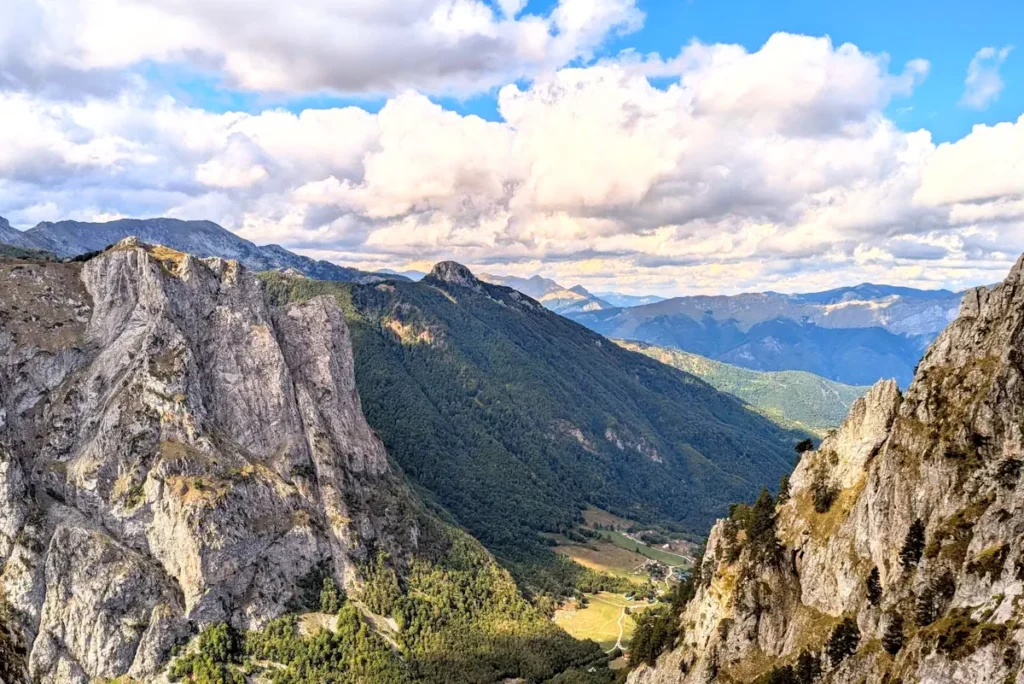
Drive toward the old capital of Cetinje and ascend into the clouds of Lovćen National Park. Climb the 461 steps to the Njegoš Mausoleum. From this summit, you can see nearly 80 percent of the country, a jagged limestone landscape that locals call the “Sea of Stone.”
